White Color (in Pakistan Flag)
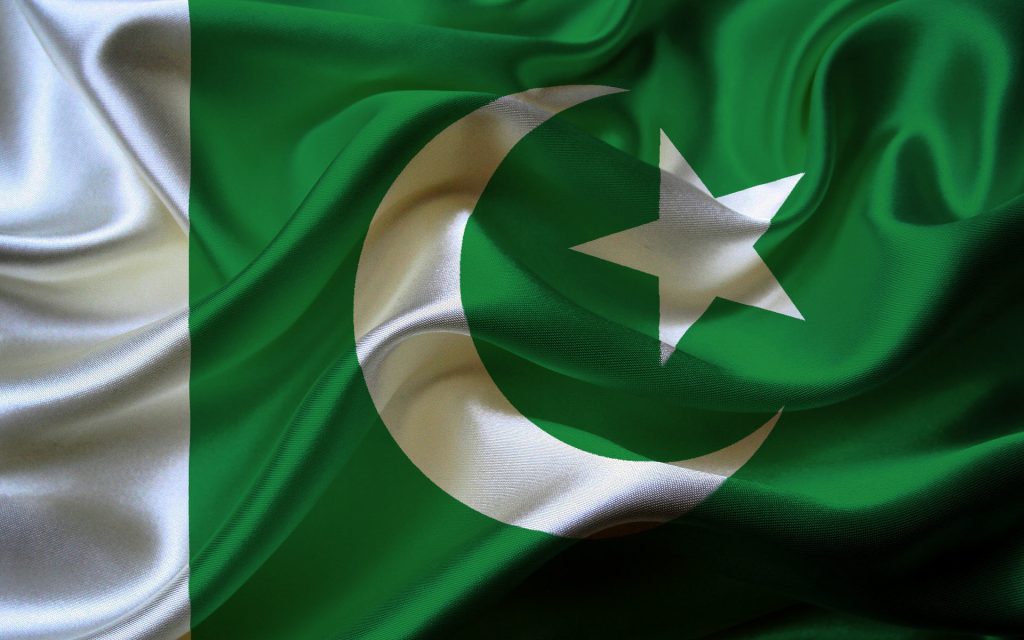
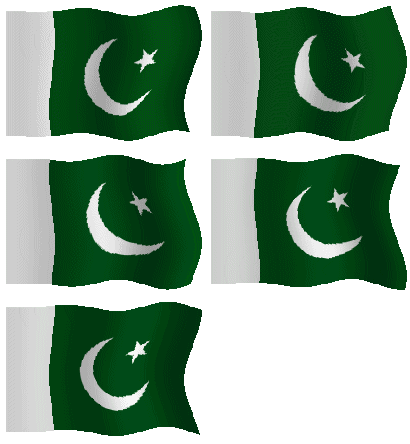
The white stripe stands for the religious minorities living in Pakistan. It represents peace, harmony, and the government’s commitment to protecting the rights of all non-Muslim citizens. The white color also emphasizes the importance of equality, tolerance, and national unity among diverse communities.
Green Color (in Pakistan Flag)
The green color in the Pakistan flag represents the Muslim majority of the country. It reflects the Islamic identity, values, and heritage of the nation. Green is traditionally associated with peace, prosperity, and the spiritual richness of Islam. It symbolizes the deep-rooted faith and unity of the Muslim community in Pakistan.
Quaid-e-Azam (Muhammad Ali Jinnah)
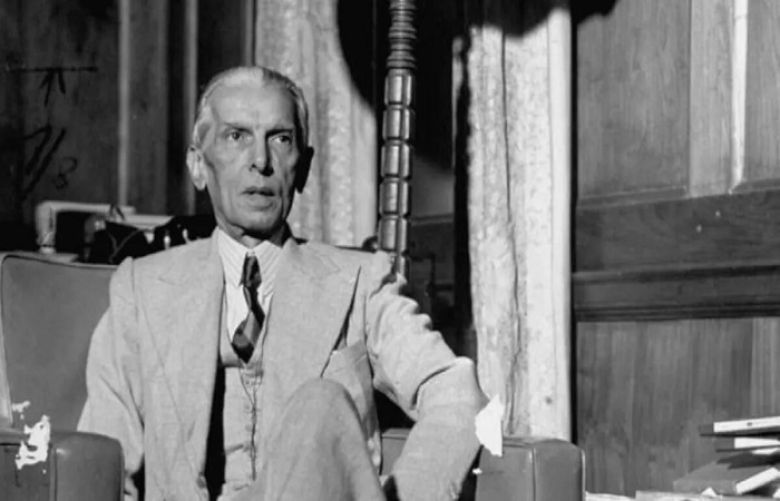
Quaid-e-Azam Muhammad Ali Jinnah was the founder of Pakistan and a visionary leader who led the struggle for an independent Muslim state. He was known for his determination, leadership, and strong principles of justice and unity. Jinnah played a key role in uniting Muslims of the Indian subcontinent and securing a separate homeland for them. His speeches and actions laid the foundation for Pakistan’s democratic and constitutional framework.
Fatima Jinnah
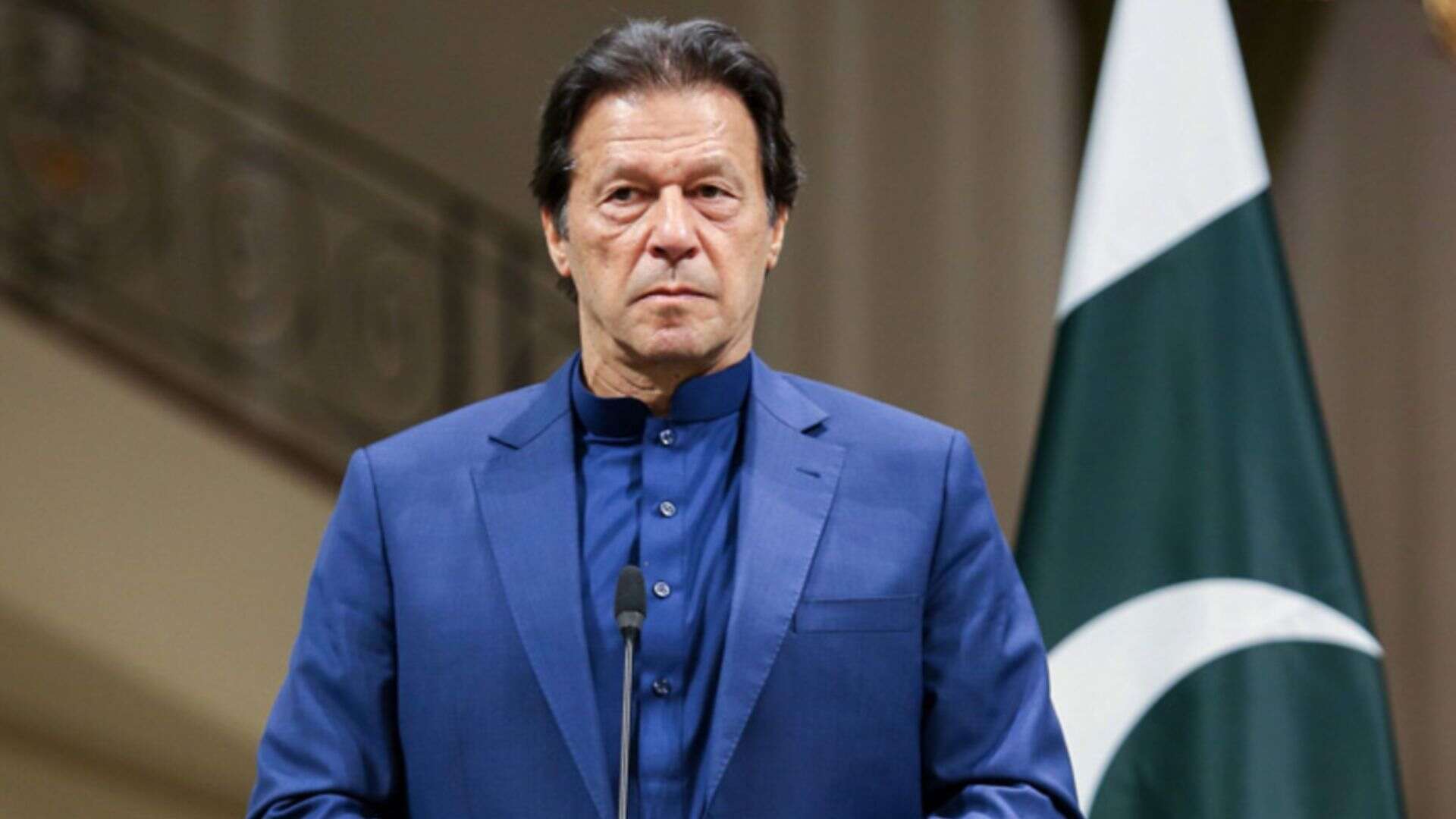
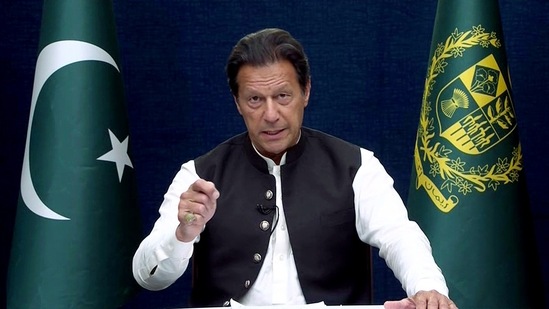
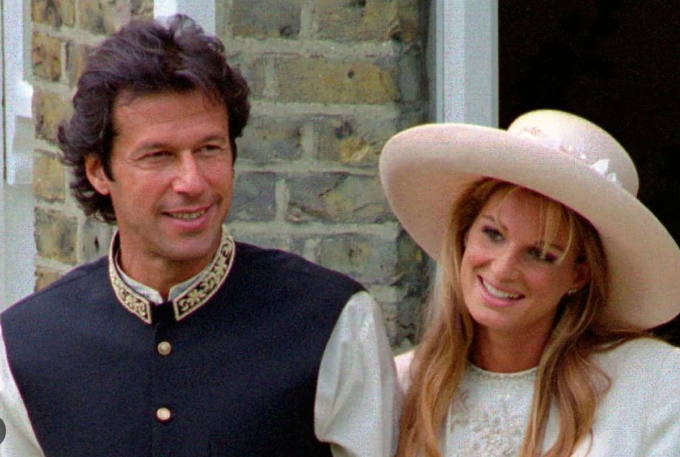
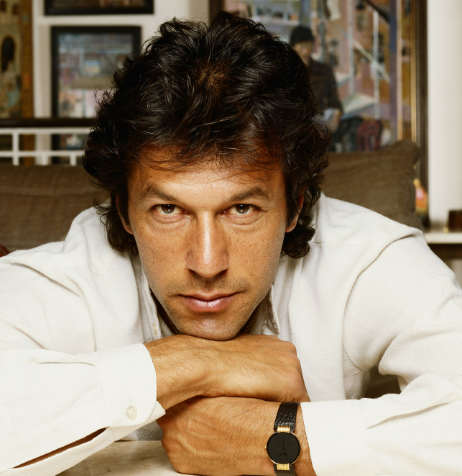
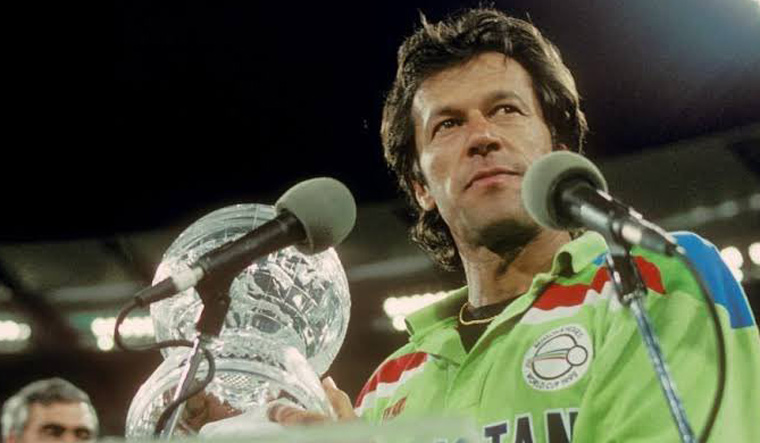
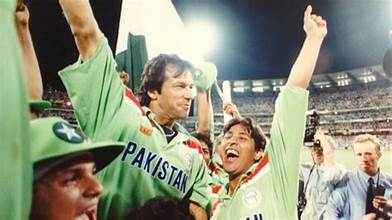
IMRAN KHAN
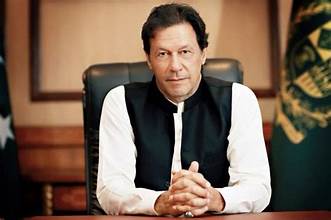
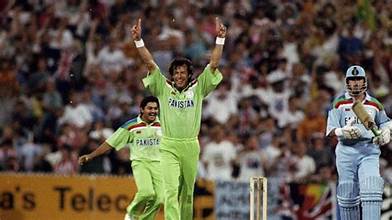
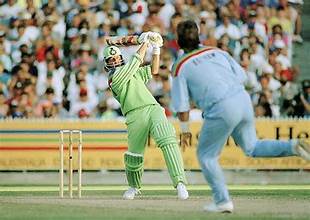
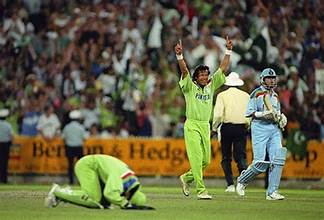
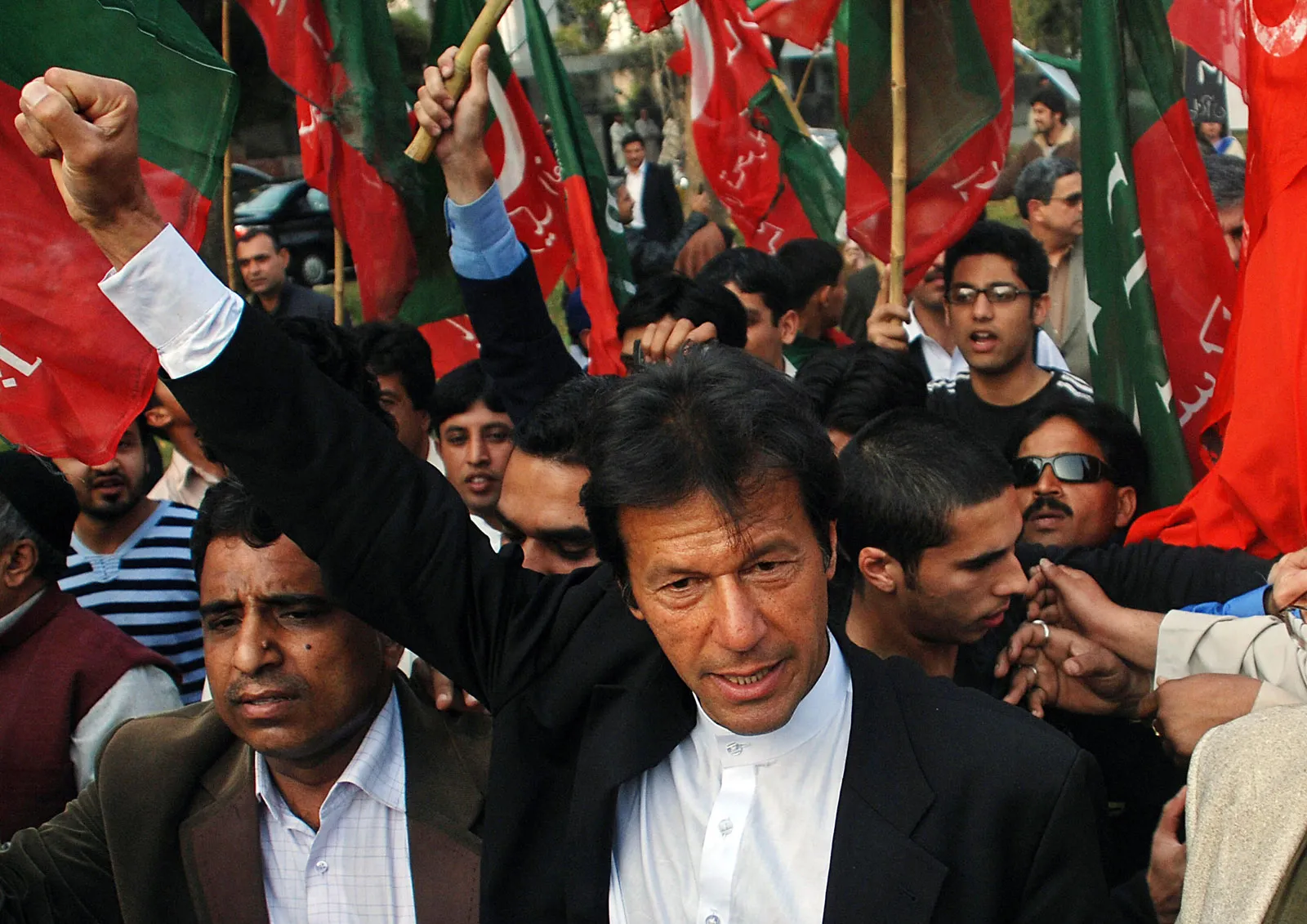
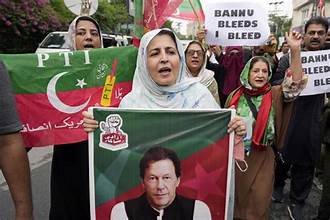
Imran Khan, born on 5th October 1952, is one of Pakistan’s most iconic and inspiring figures. He first rose to fame as a world-class cricketer and led Pakistan to its greatest cricketing triumph by winning the 1992 Cricket World Cup. His leadership, determination, and fighting spirit turned a struggling team into world champions, making him a national hero.
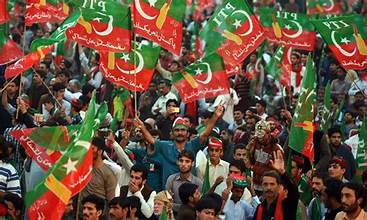
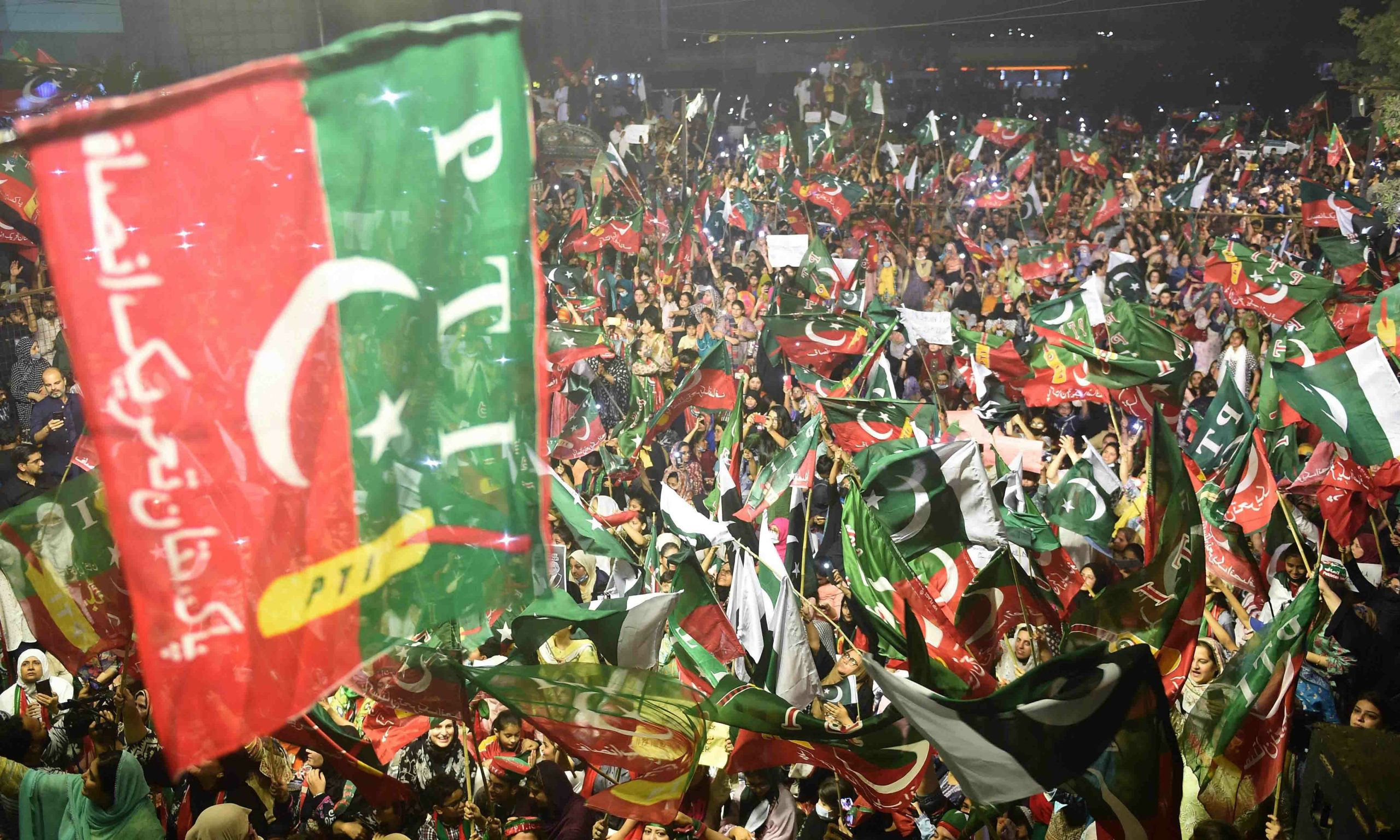
After retiring from cricket, Imran Khan entered politics with a vision of building a better and just Pakistan. He founded the political party Pakistan Tehreek-e-Insaf (PTI) and worked tirelessly for years to bring about change. In 2018, he became the 22nd Prime Minister of Pakistan, focusing on anti-corruption, social justice, and building a “Naya Pakistan.” From cricket grounds to political arenas, Imran Khan remains a symbol of resilience, patriotism, and unwavering leadership.
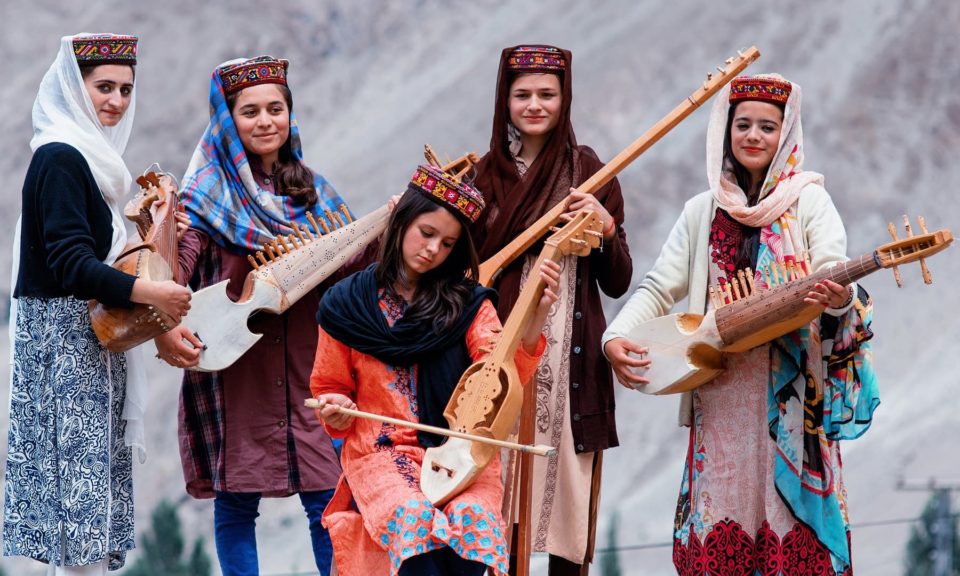
PUNJAB
Punjab, the land of five rivers, flows with rich traditions, golden fields, and the warmth of its people’s hearts.
Balochistan
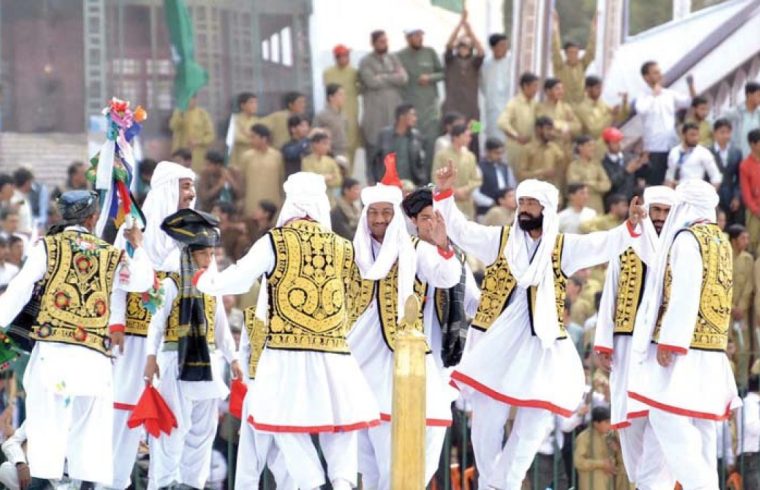
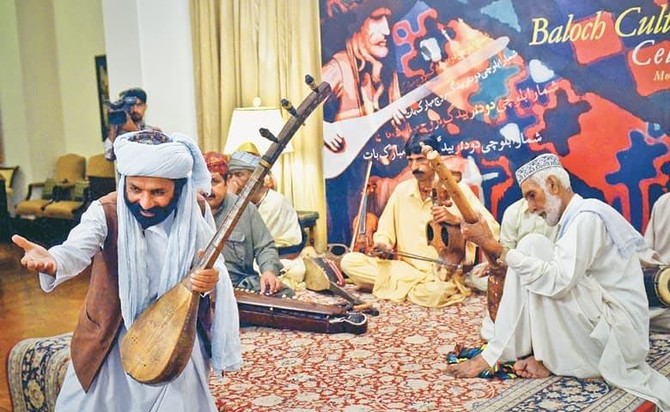
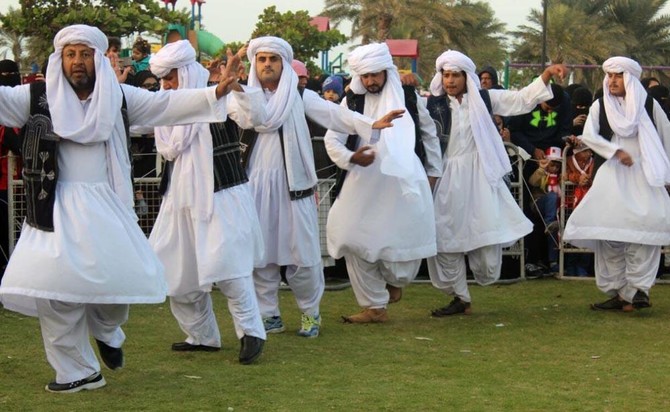
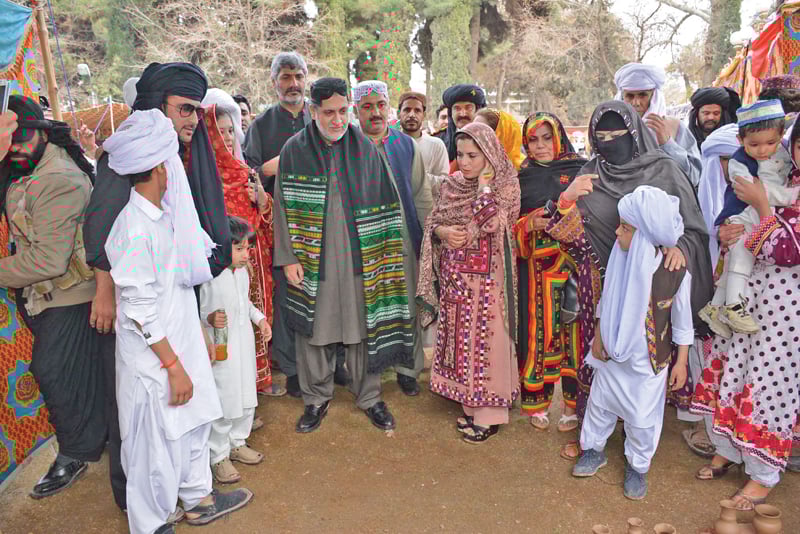
Balochistan, where rugged mountains meet endless deserts, holds a silent majesty in its vast and untamed beauty.
Sindh
Azad Kashmir
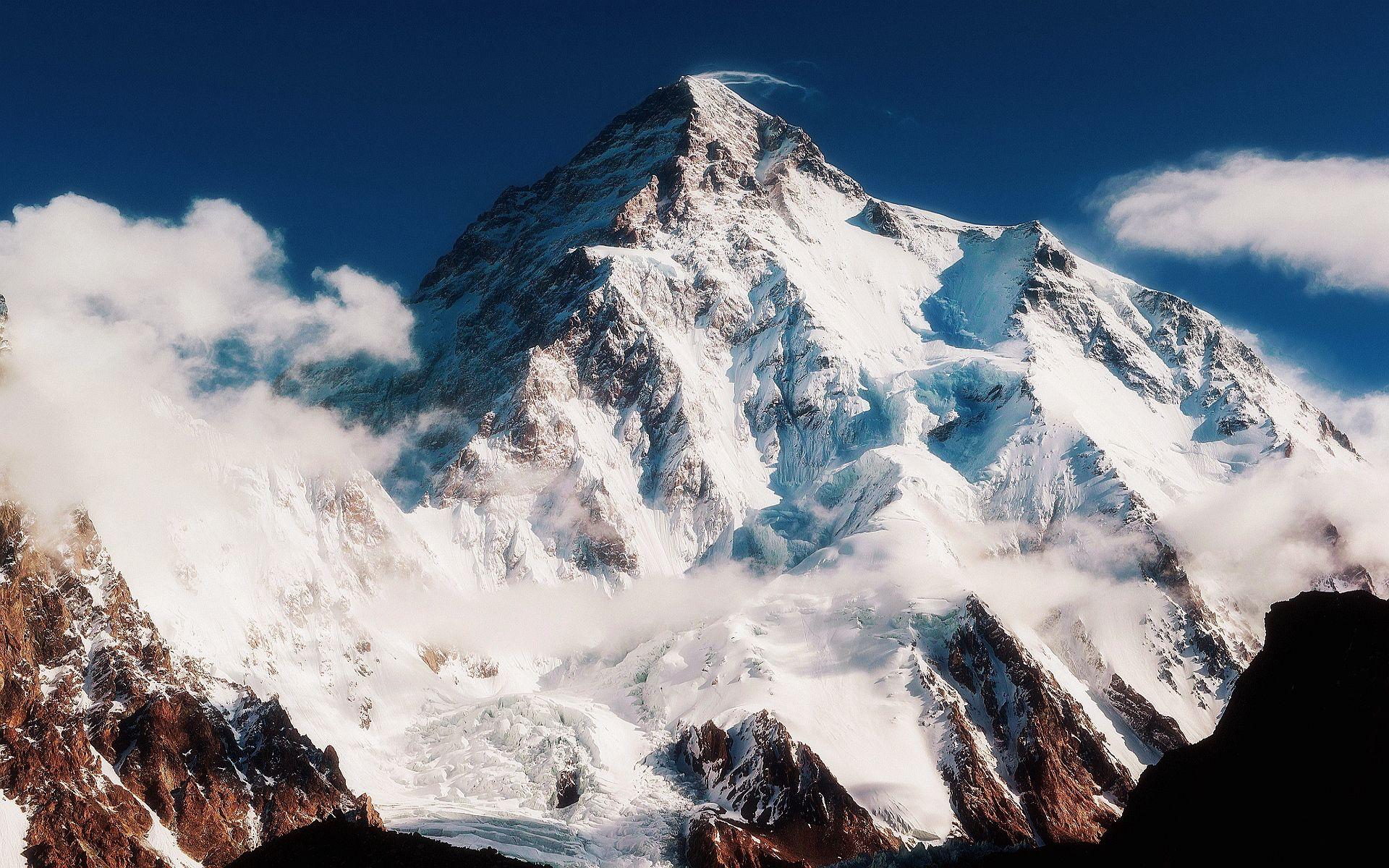
Gilgit Baltistan
Explore CITIES
lahore
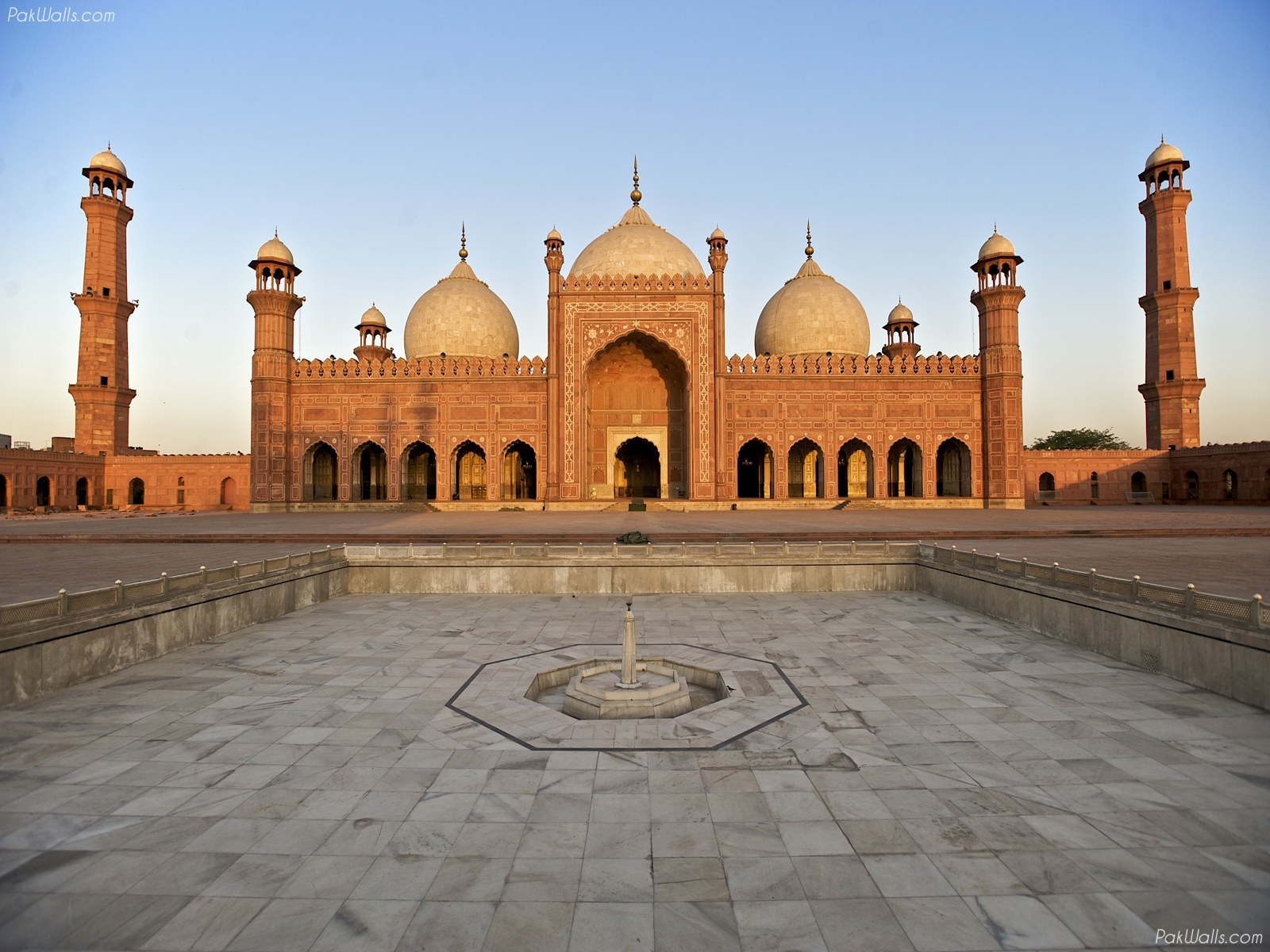
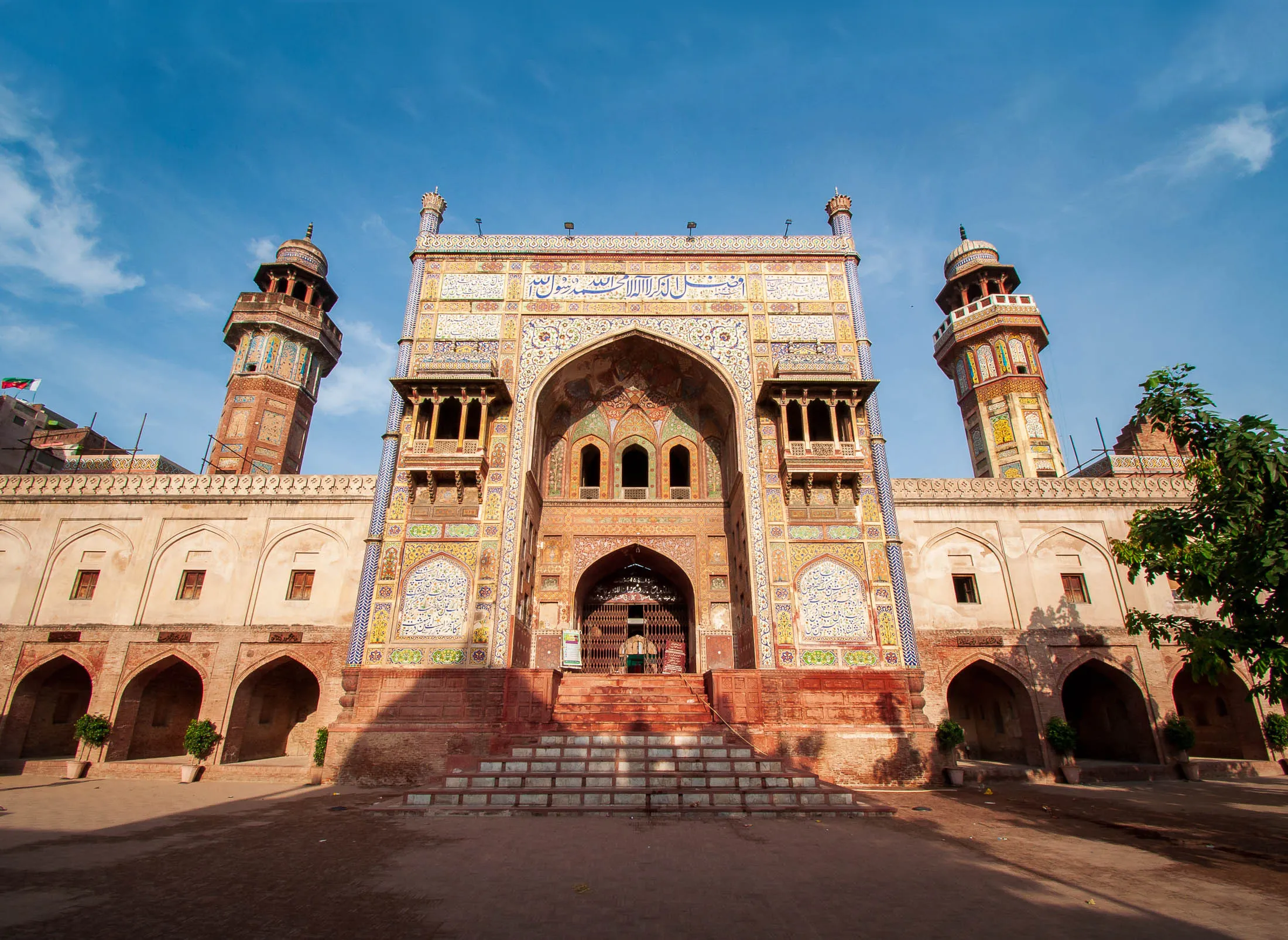
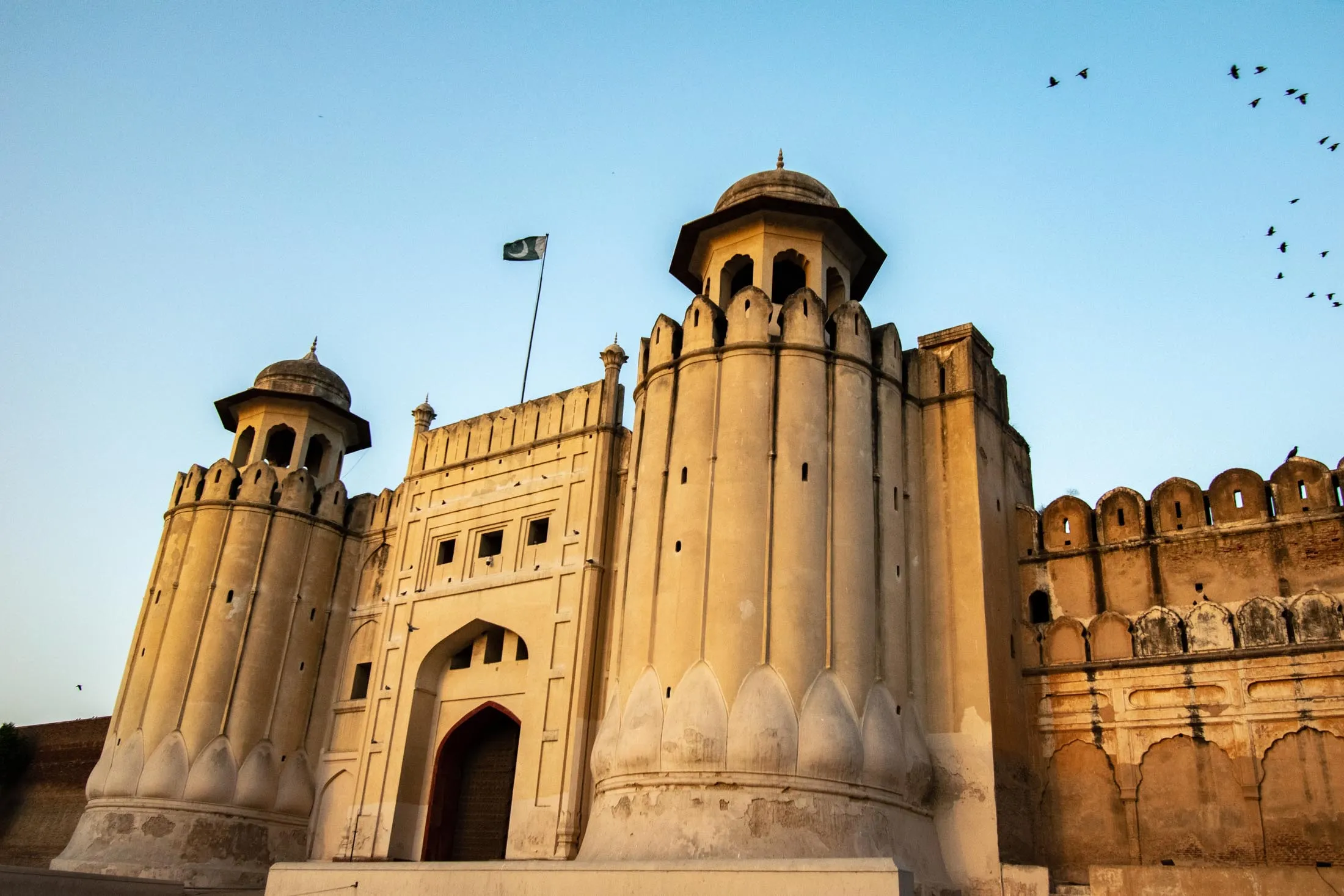
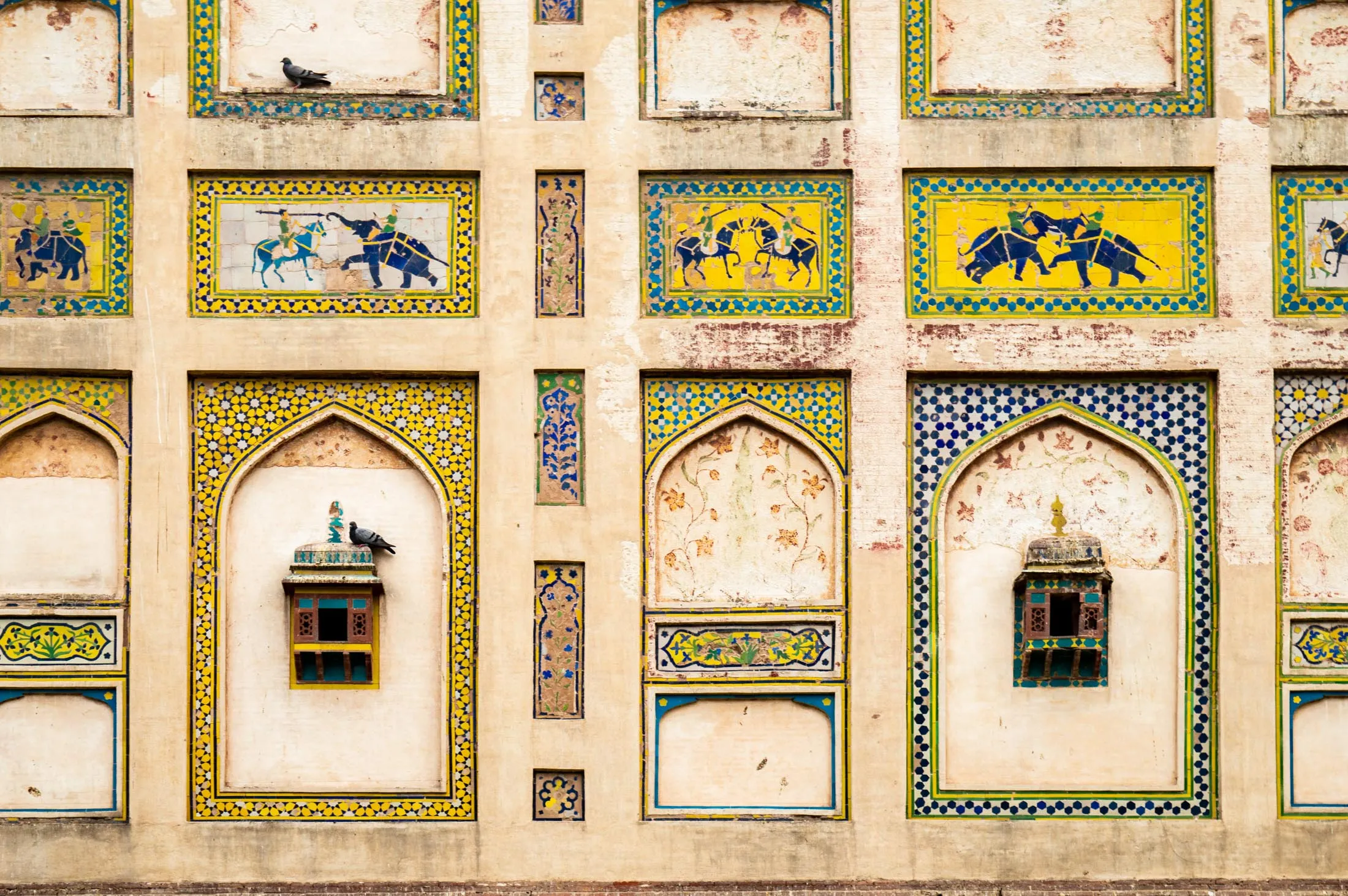
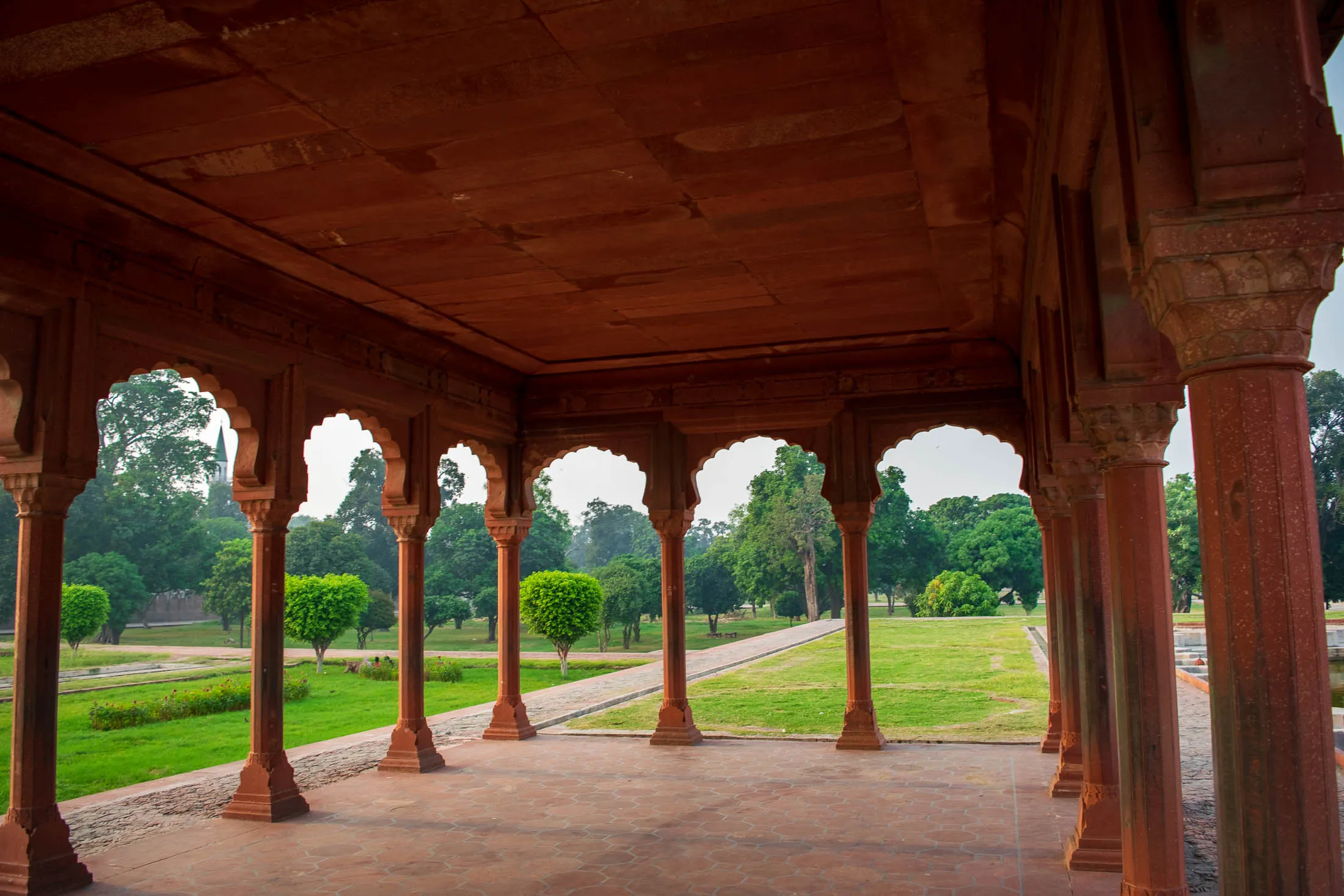
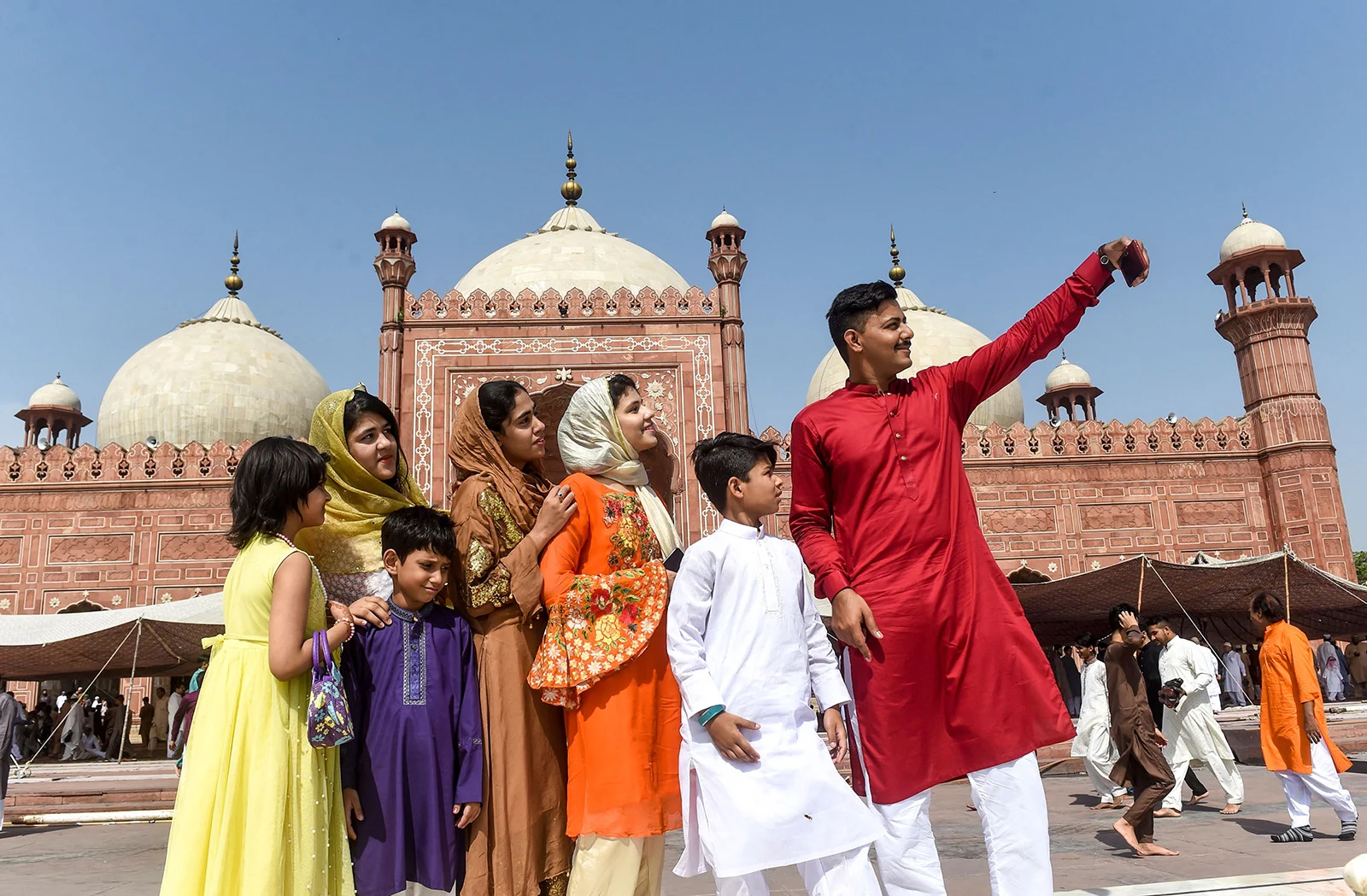
Lahore, the cultural capital of Pakistan, is a city steeped in history and charm. With its origins tracing back over a thousand years, Lahore has been ruled by various empires, including the Ghaznavids, Mughals, Sikhs, and British. The city’s golden era came under Mughal rule, which left behind stunning architectural marvels such as the Badshahi Mosque, Lahore Fort, and Shalimar Gardens. These landmarks, alongside the ancient walls of the Old City, narrate tales of grandeur, conquest, and resilience that have shaped Lahore’s unique identity.
islamabad
EXPLORE CULTURES
zombie
Pakola
Snack Pops
Candies
Rio Biscuits
Bunties
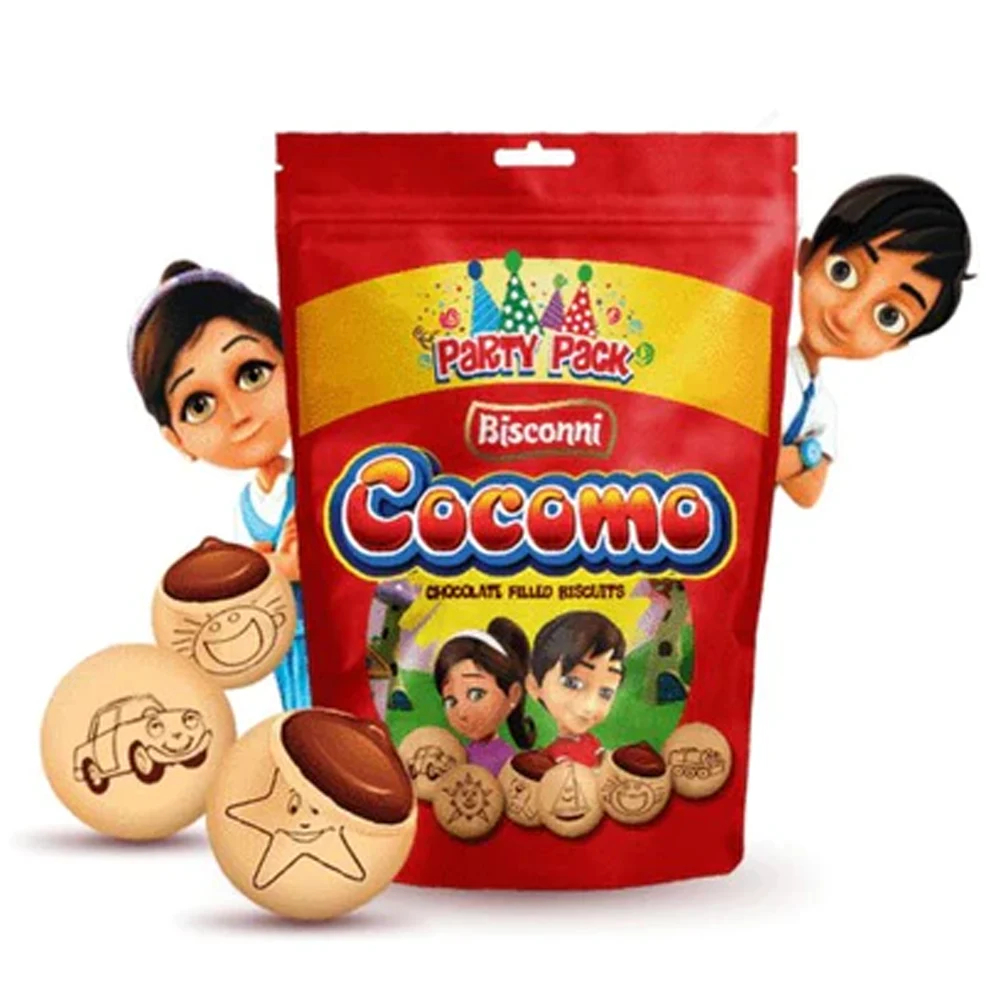
Cocomo
Chilli Mili
Rivers
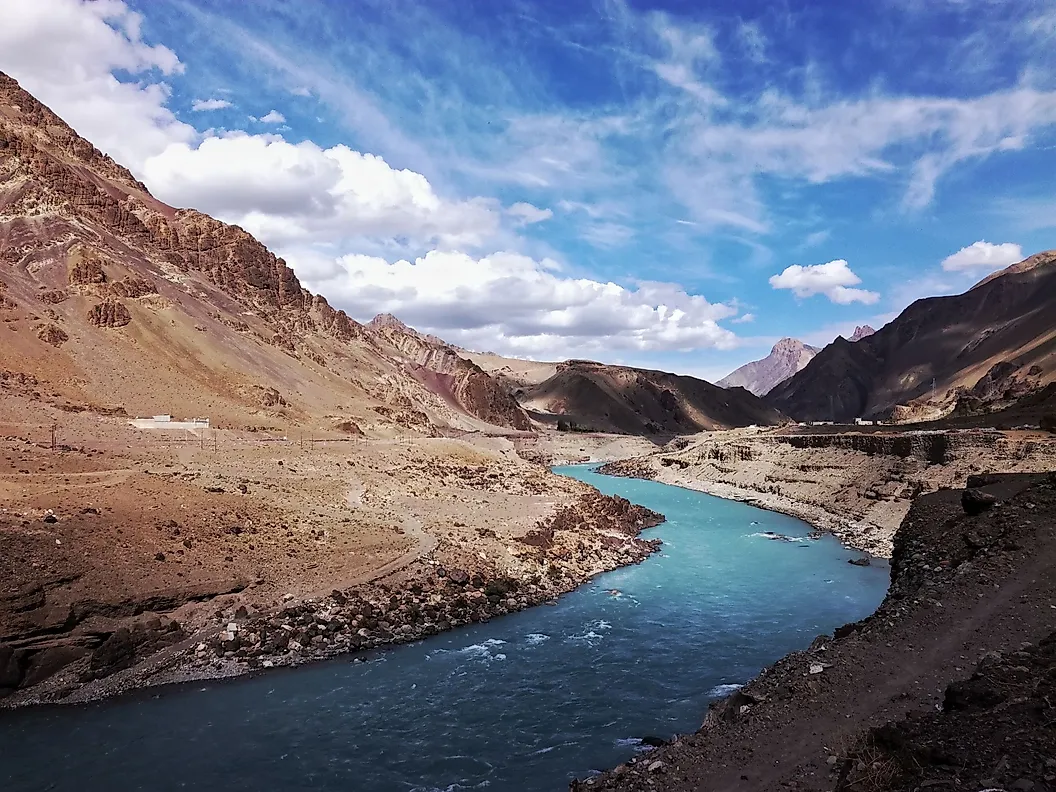
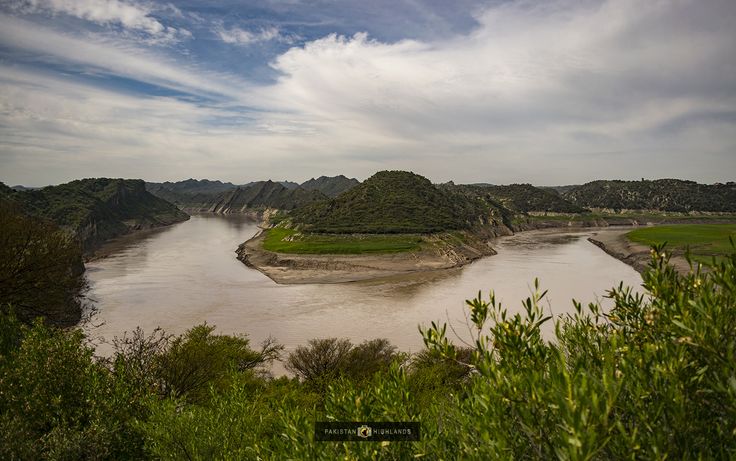
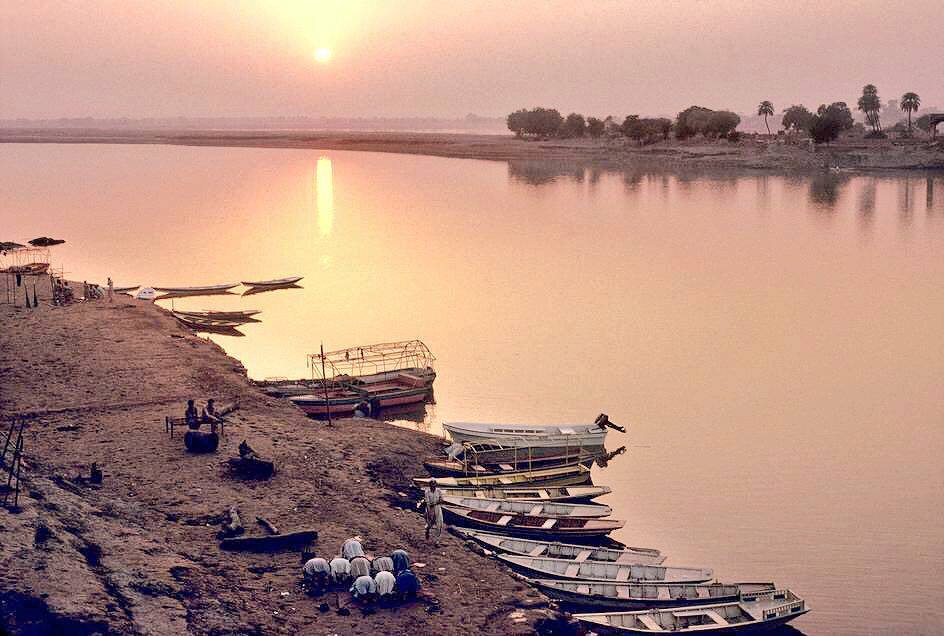
Indus River
The Indus River is the longest and most important river in Pakistan. It flows through Gilgit-Baltistan, Khyber Pakhtunkhwa, Punjab, and Sindh, providing water for agriculture and livelihoods across the country.
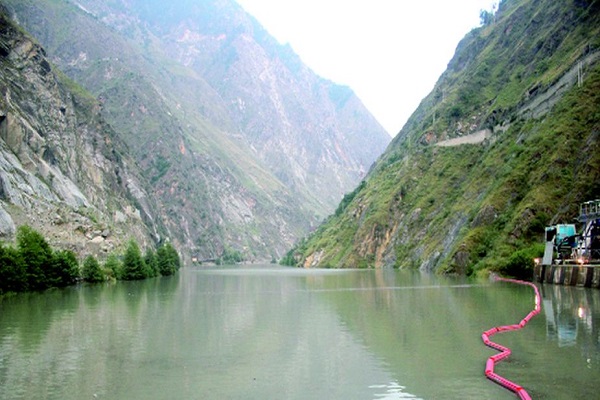
Chenab River
The Chenab River runs through the Punjab province and is formed by the merging of two rivers—Chandra and Bhaga in India. It plays a major role in Pakistan’s irrigation system.
National Flower
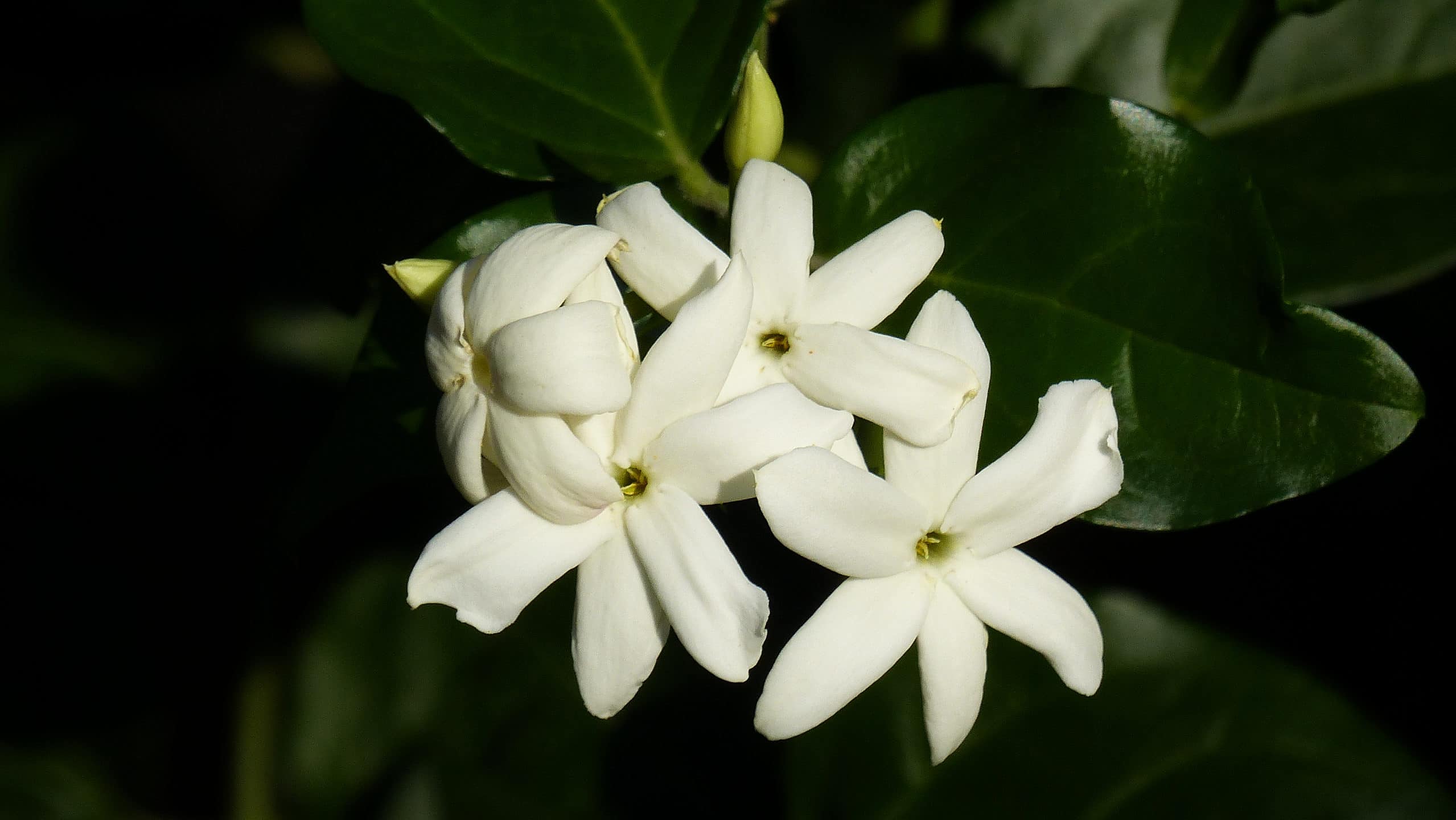
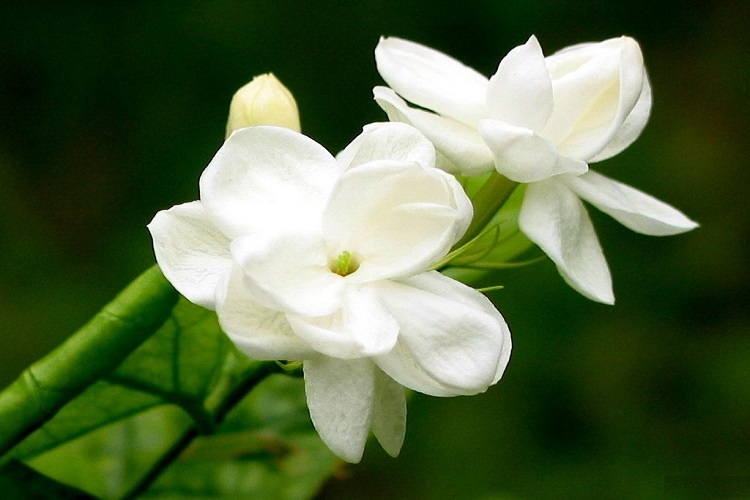
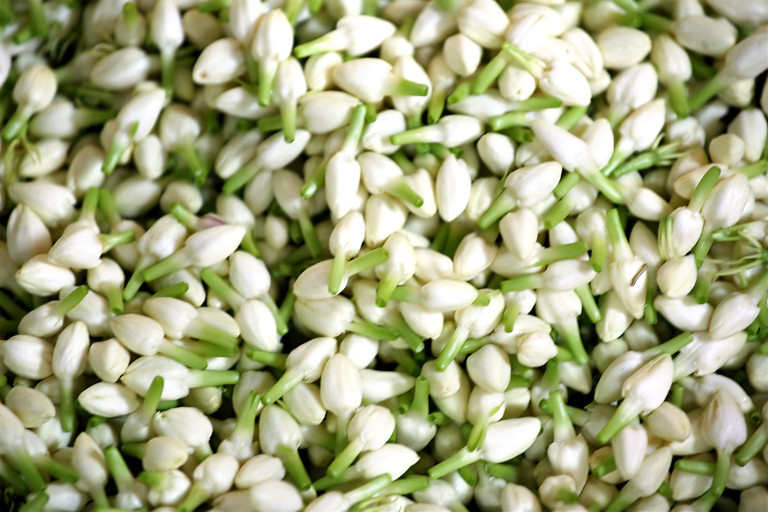
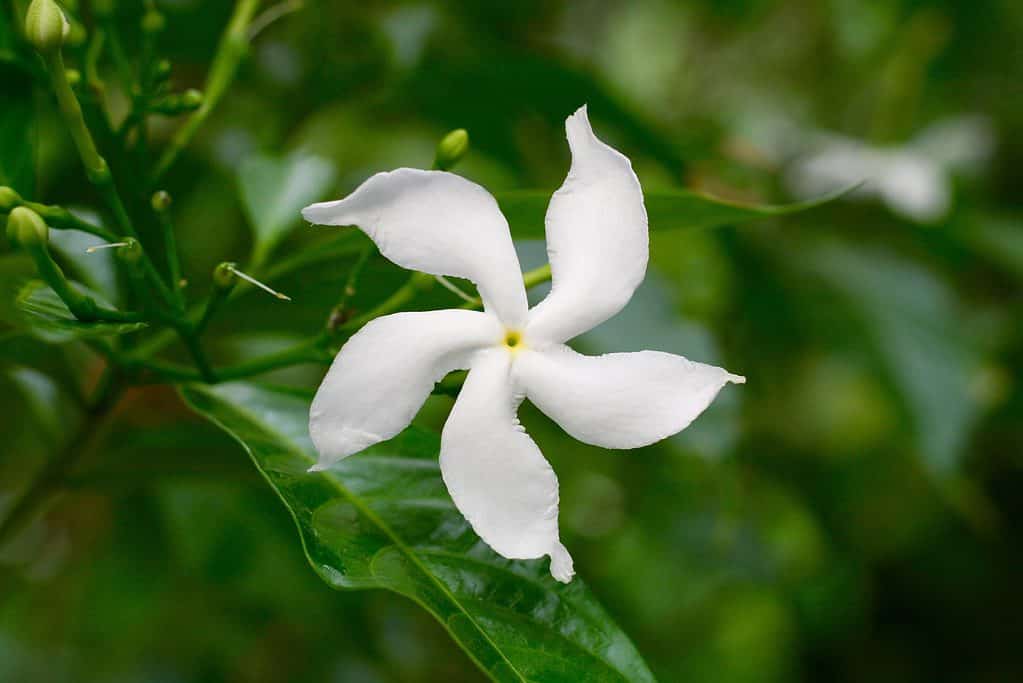
( Jasmine )
The Jasmine, known as Chambeli in Urdu, is the national flower of Pakistan, admired for its delicate white petals and sweet, soothing fragrance. It symbolizes purity, peace, and simplicity, reflecting the gentle and graceful spirit of the nation. Blooming beautifully in gardens across the country, Jasmine holds a special place in Pakistani culture and traditions, often used in celebrations and as a symbol of love and harmony.
National Game
( Hockey )
The national game of Pakistan is Field Hockey. It holds a proud place in the country’s sports history, with Pakistan achieving great international success. The national team has won three Olympic gold medals (1960, 1968, 1984) and four Hockey World Cups, the most by any nation. Hockey represents passion, team spirit, and national pride, and has long been a symbol of sporting excellence in Pakistan.
Minar-e-Pakistan
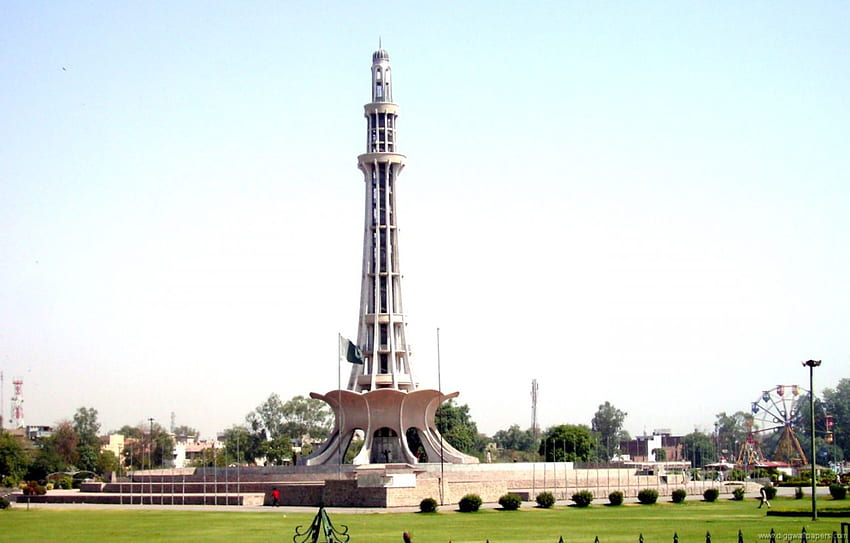
Minar-e-Pakistan, located in Lahore, stands as a majestic symbol of Pakistan’s struggle for independence. Built at the site where the Pakistan Resolution was passed on 23rd March 1940, it marks the historic moment when the dream of a separate homeland began to take shape. Its graceful architecture blends Islamic and modern design, rising high as a tribute to the sacrifices made for freedom. Minar-e-Pakistan is not just a monument—it is the pride of the nation and a powerful reminder of unity, courage, and vision.
Noor Mahal
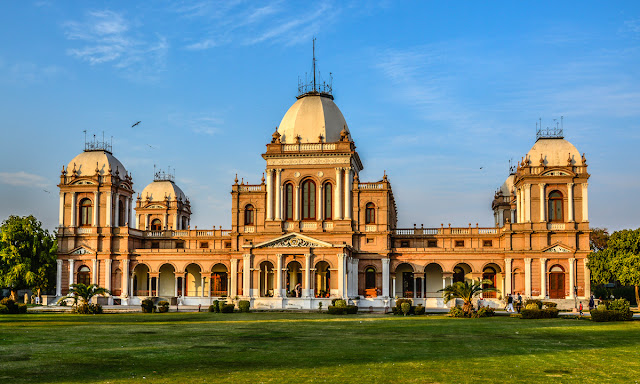
Noor Mahal, located in the heart of Bahawalpur, is a magnificent palace that reflects the grandeur of royal heritage and the elegance of 19th-century architecture. Built in 1872 by Nawab Sadiq Muhammad Khan IV, it showcases a graceful fusion of Islamic and European styles, with beautiful domes, arches, and chandeliers. Surrounded by lush green lawns, Noor Mahal stands as a symbol of royalty, history, and timeless beauty, attracting visitors from across the country. It is truly a shining gem in Pakistan’s cultural crown.
Pakistan Monument
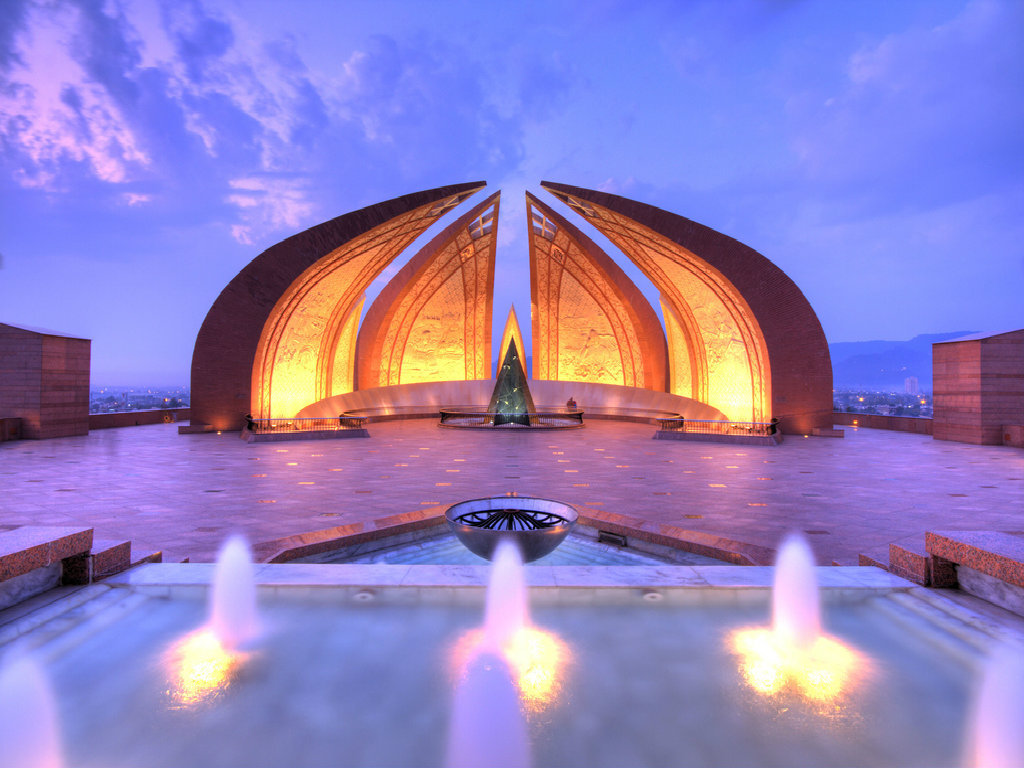
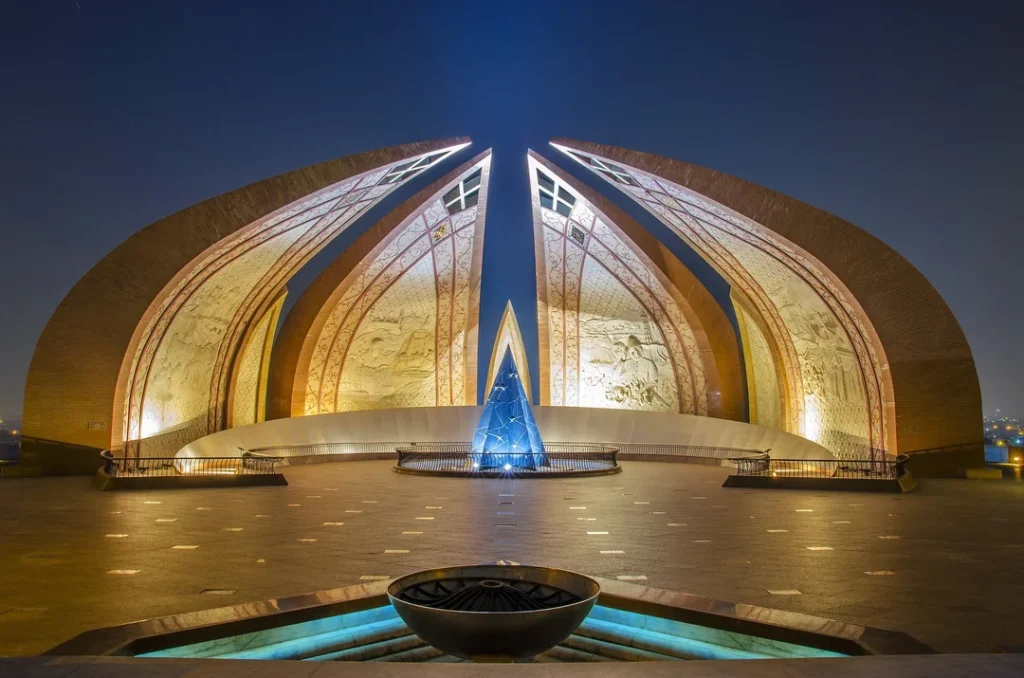
The Pakistan Monument, located in Islamabad, stands as a breathtaking symbol of the nation’s unity, strength, and sacrifices. Designed in the shape of a blooming flower, its four large petals represent the four provinces and the three smaller ones symbolize the territories, all united at the center. The inner walls are adorned with murals showcasing the rich history and culture of Pakistan. Rising proudly on the Shakarparian Hills, the monument is a tribute to those who dreamed of and struggled for a free and united Pakistan.
Hiran Minar
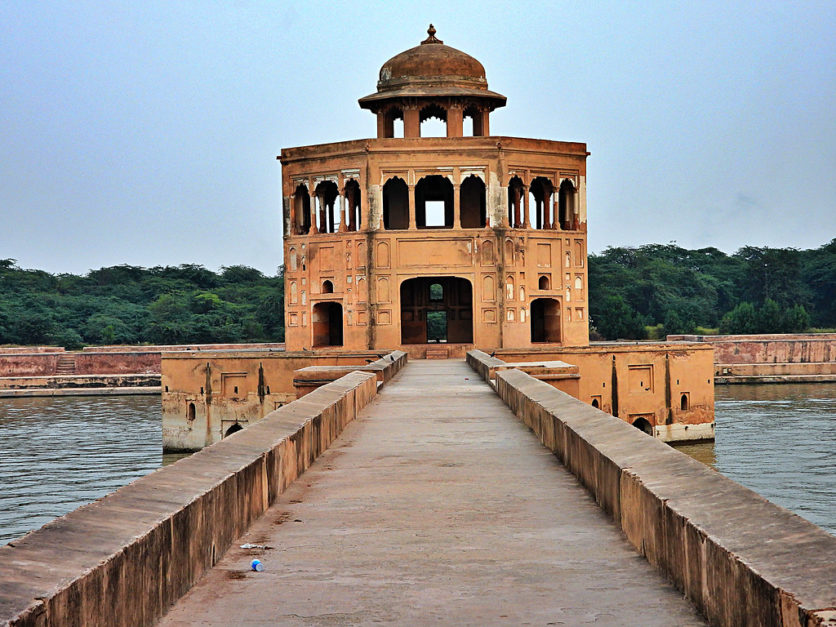
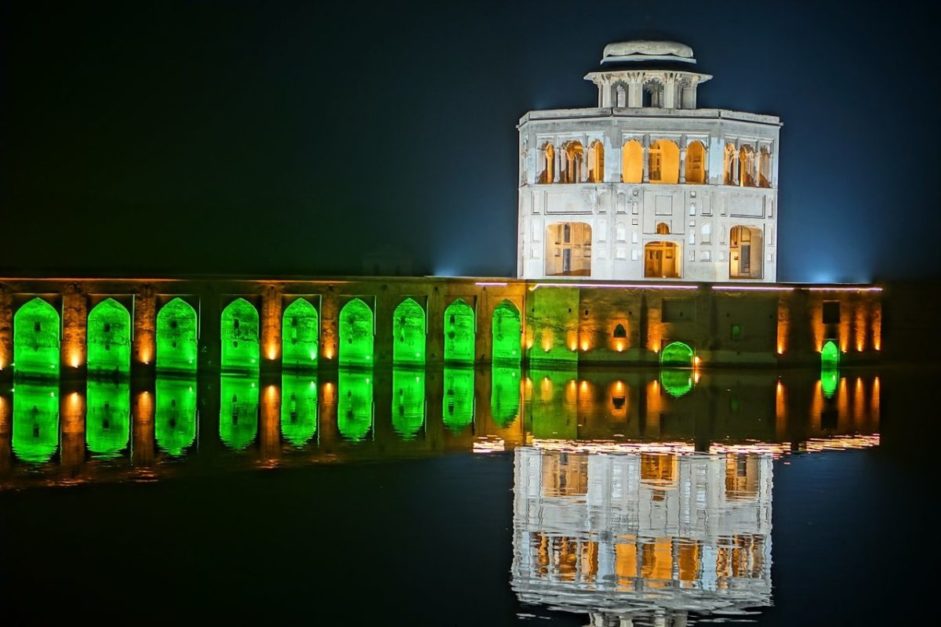
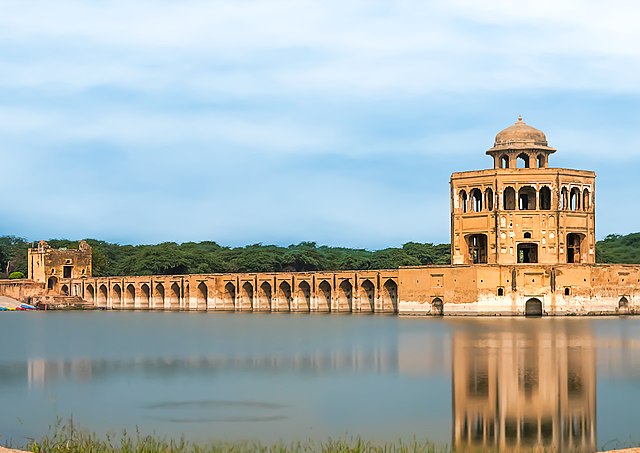
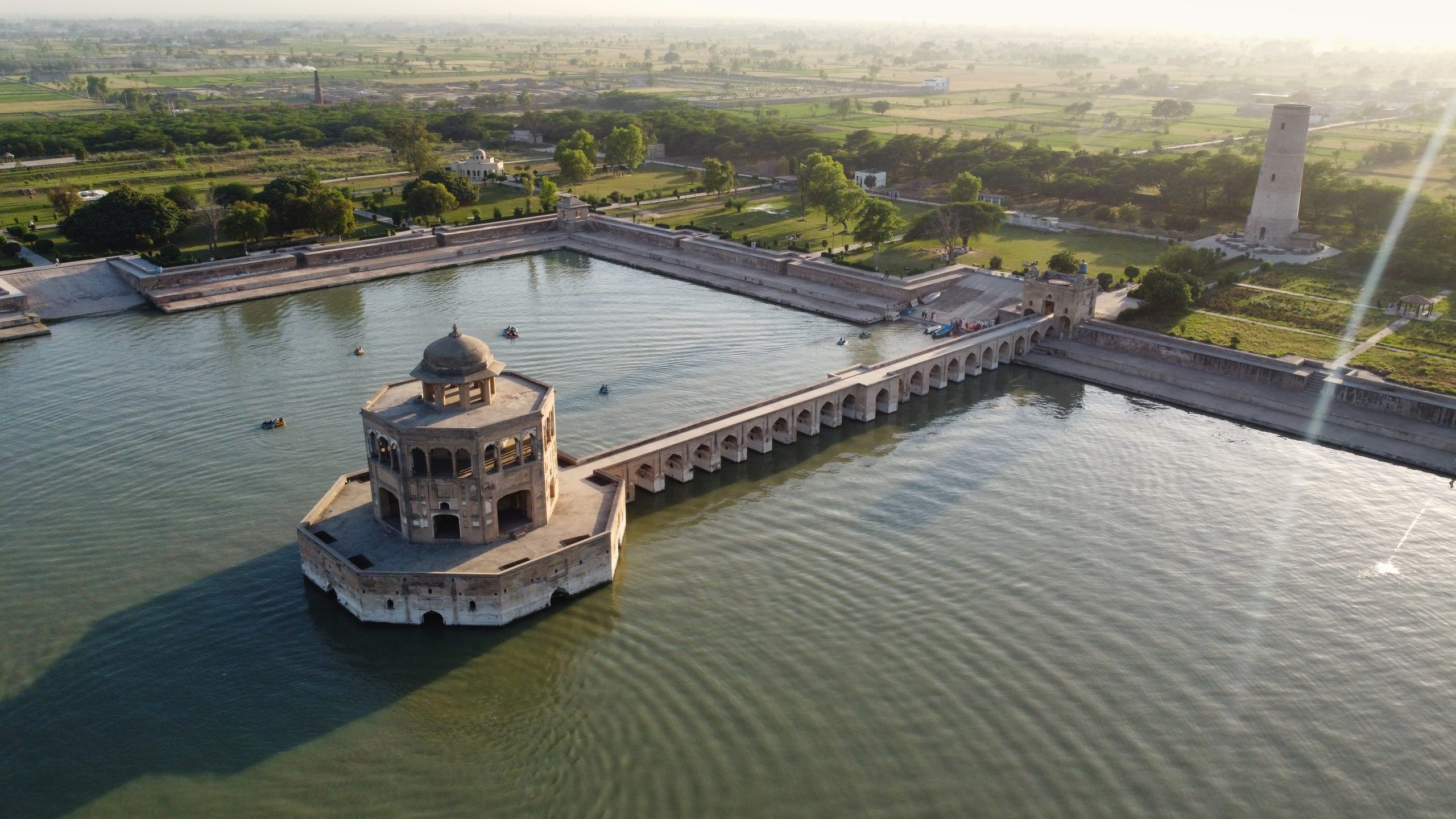
Hiran Minar (Urdu: ہرن مینار; or “The Deer Tower”) is an early 17th-century Mughal era complex in Sheikhupura, in the Pakistani province of Punjab. It was built at the site of a game reserve in honor of Mughal Emperor Jahangir’s beloved antelope, Mansraj.The emperor is remembered for his fondness of nature and his complex embodies the relationship between humans, pets and hunting
اردو
خوش آمدید
پنجابی
جی آیاں نوں
پشتو
پخير راغلے
سرائیکی
سوہنیوں آؤ
بلوچی
پَخَیر بیت
سندھی
ڀلي ڪري آيا
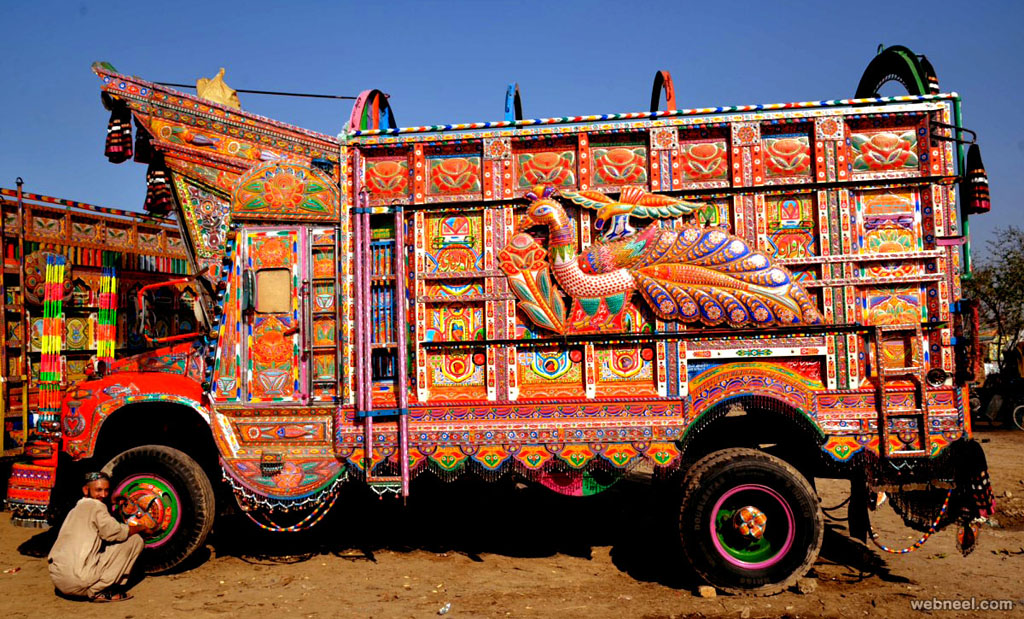
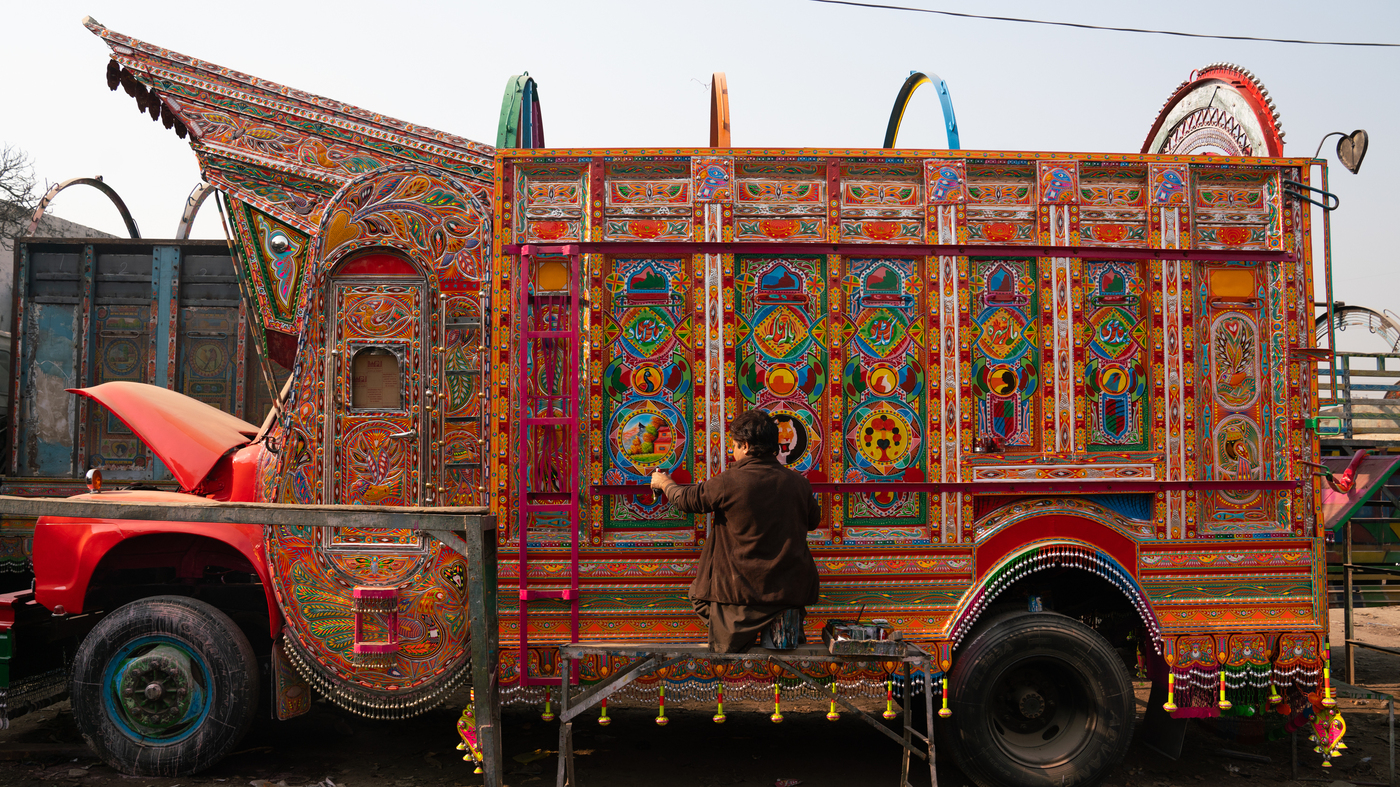
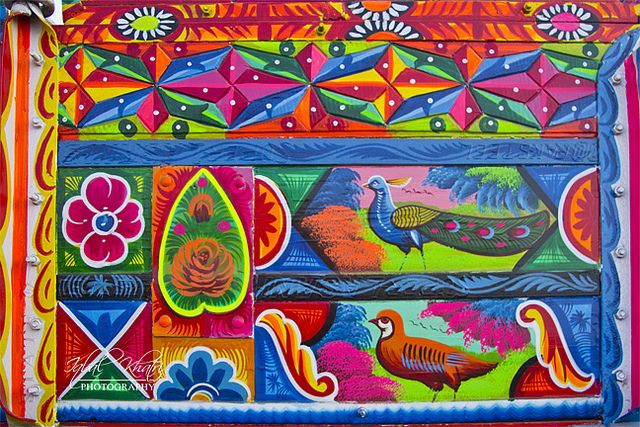
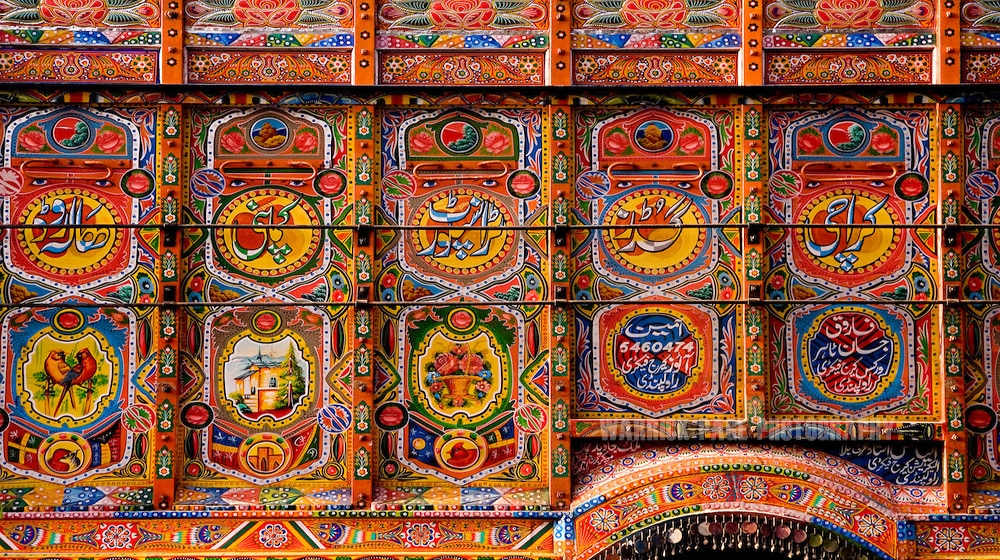
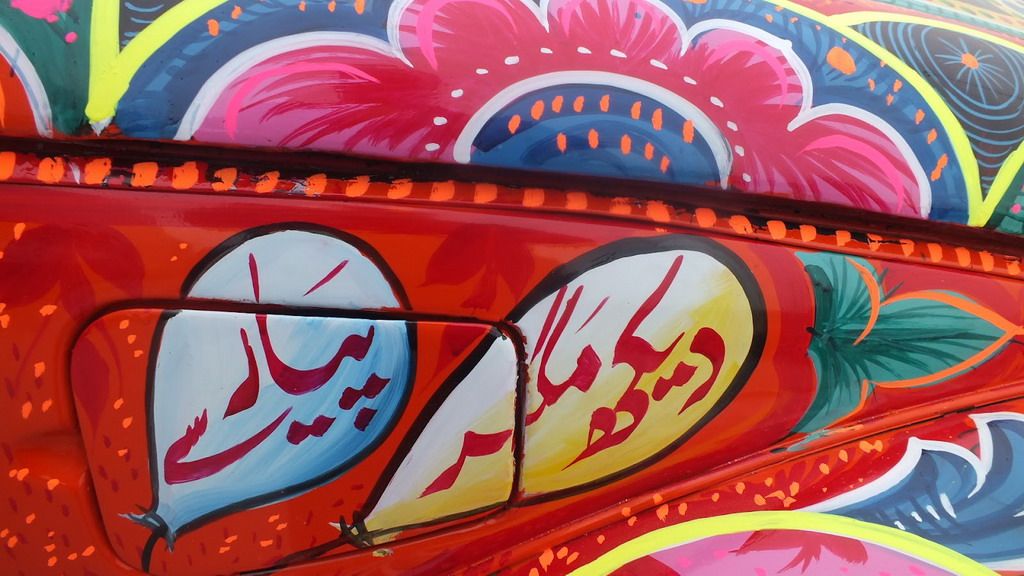
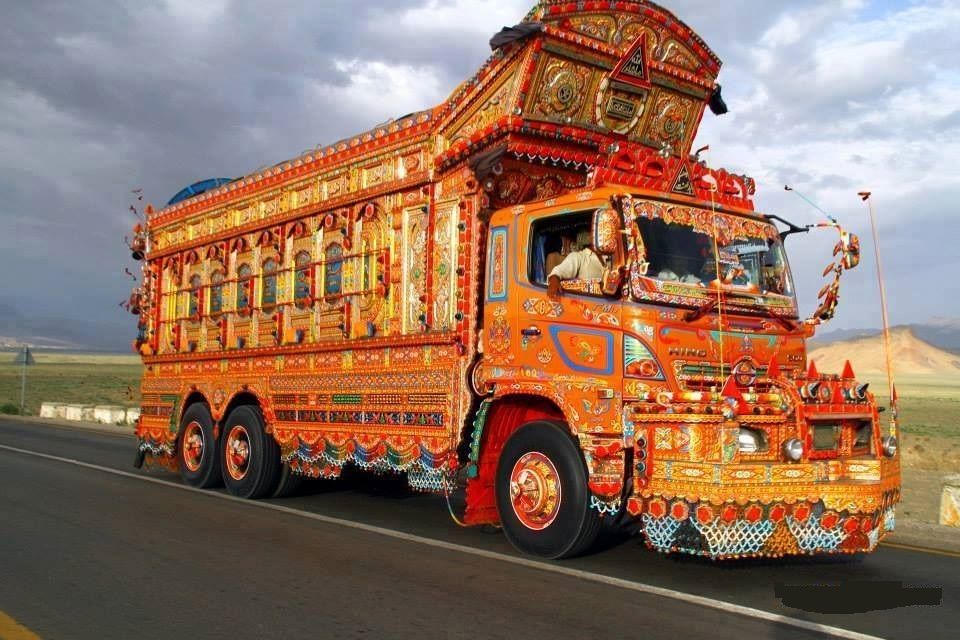
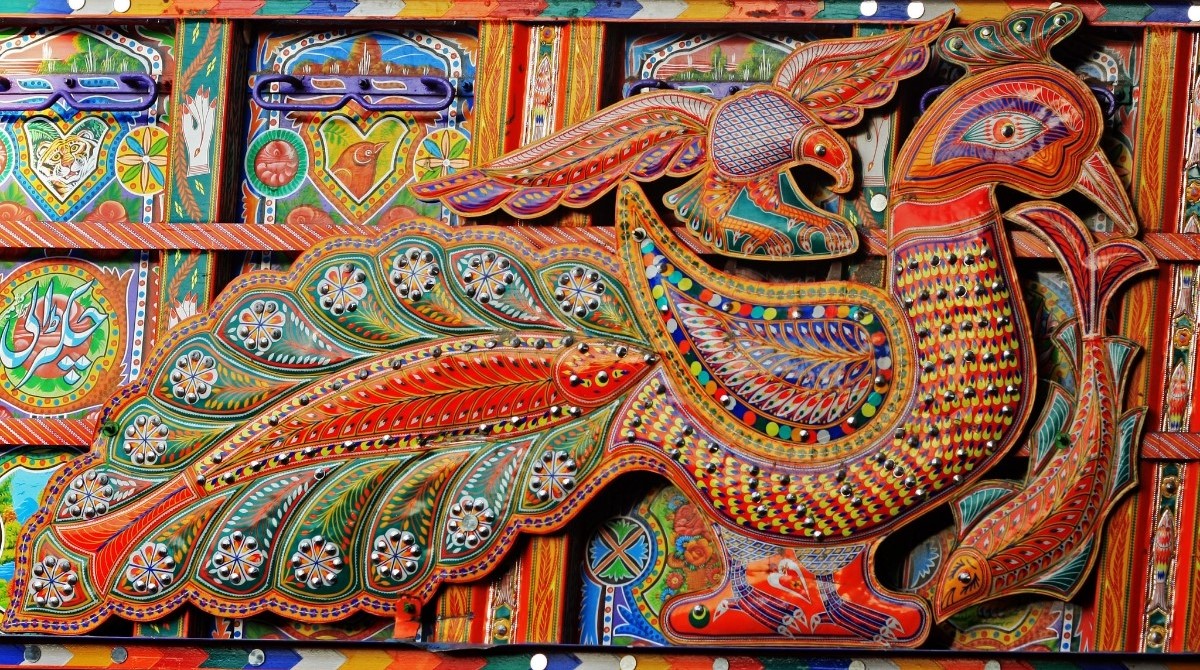
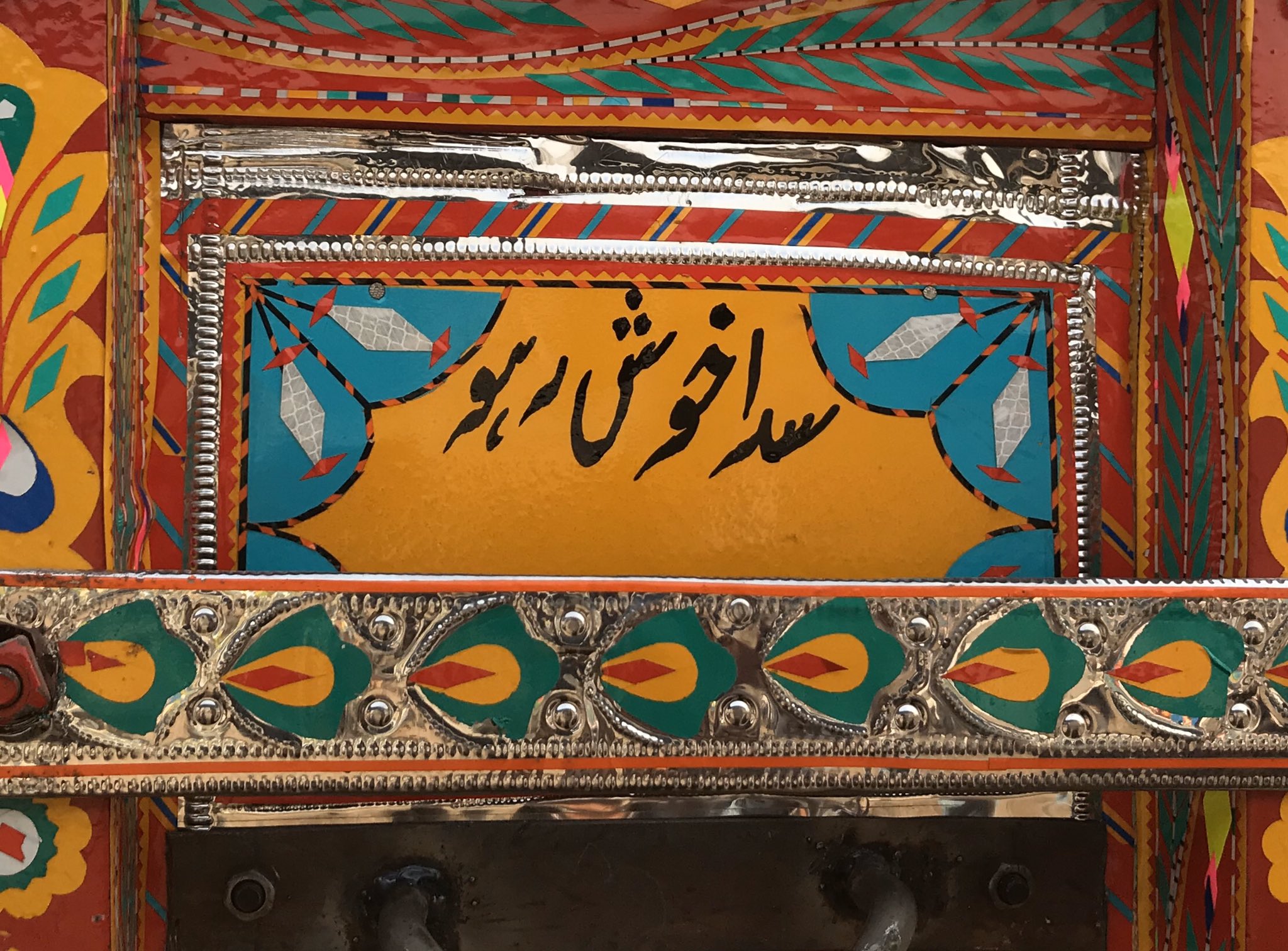
Truck ARTS
BEAUTIFUL PLACES
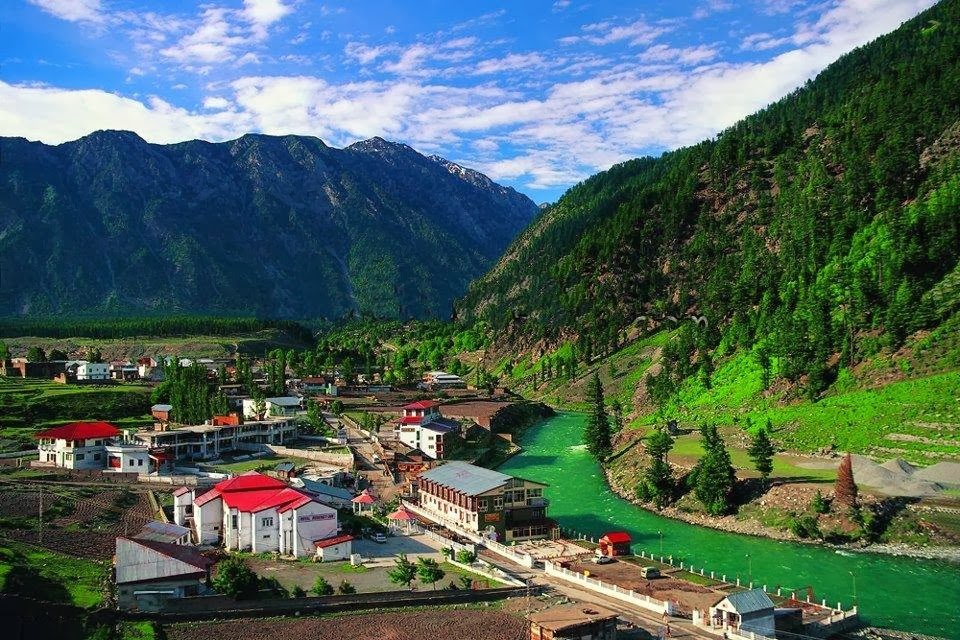
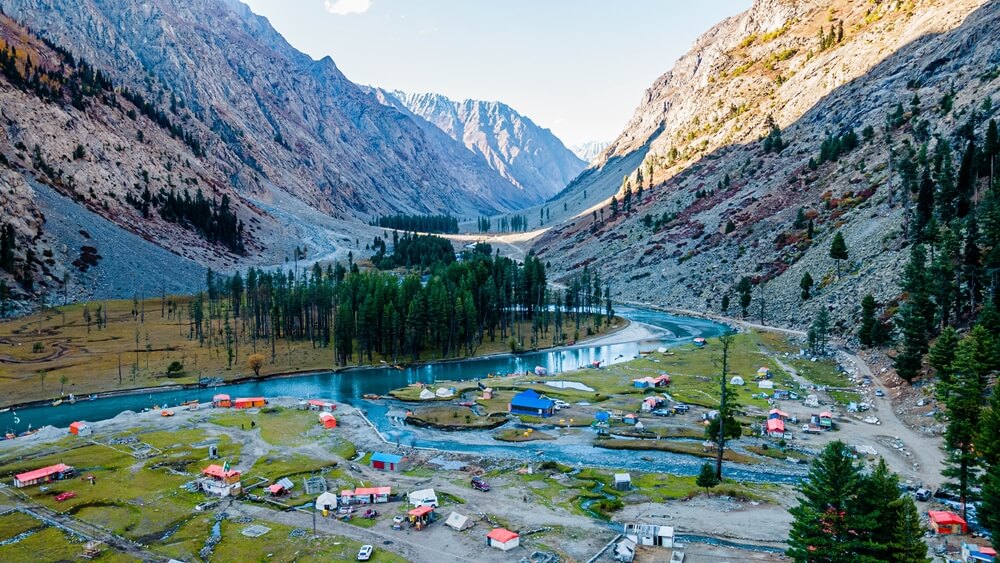
Swat
It reminds people of Switzerland
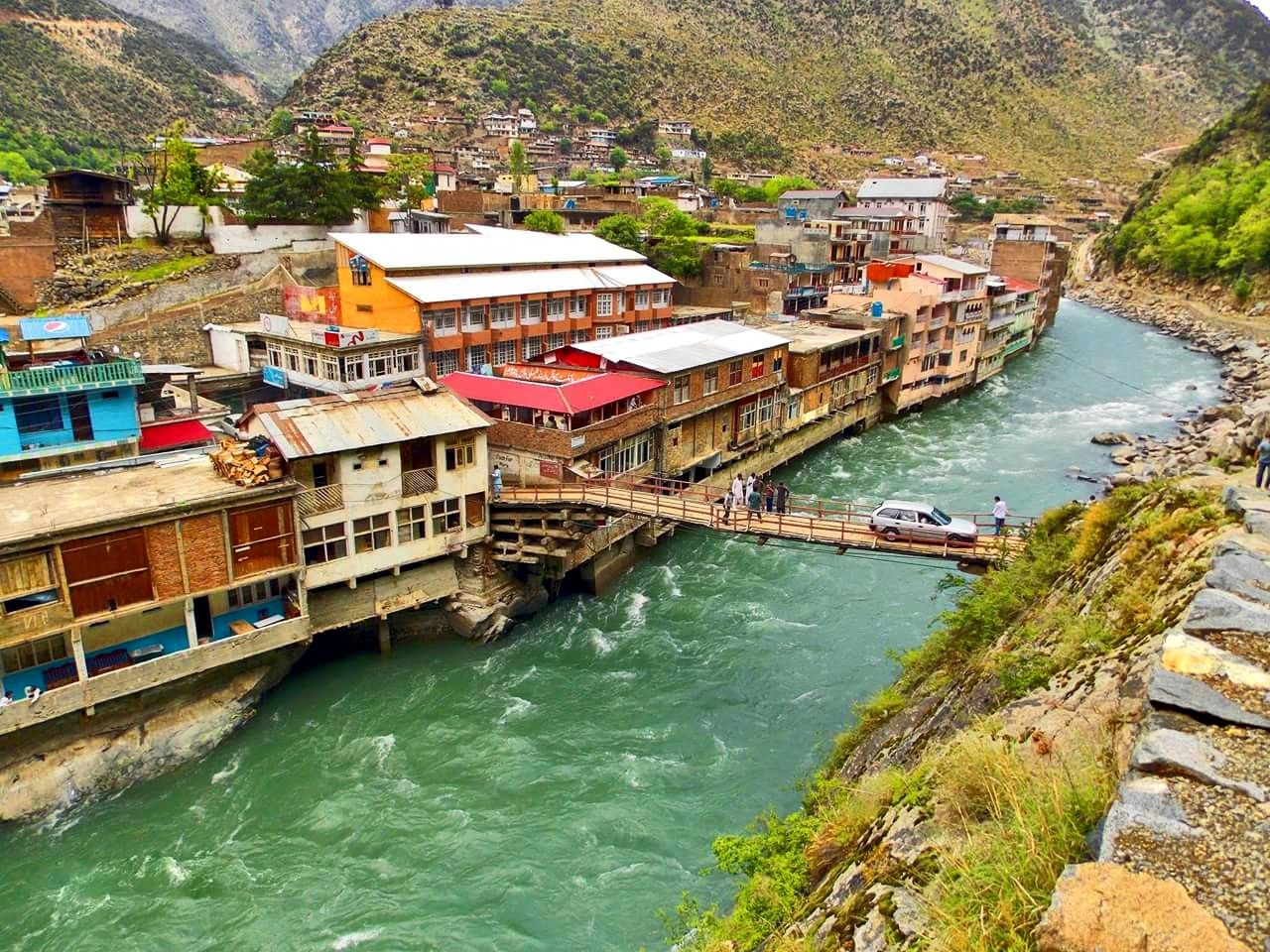
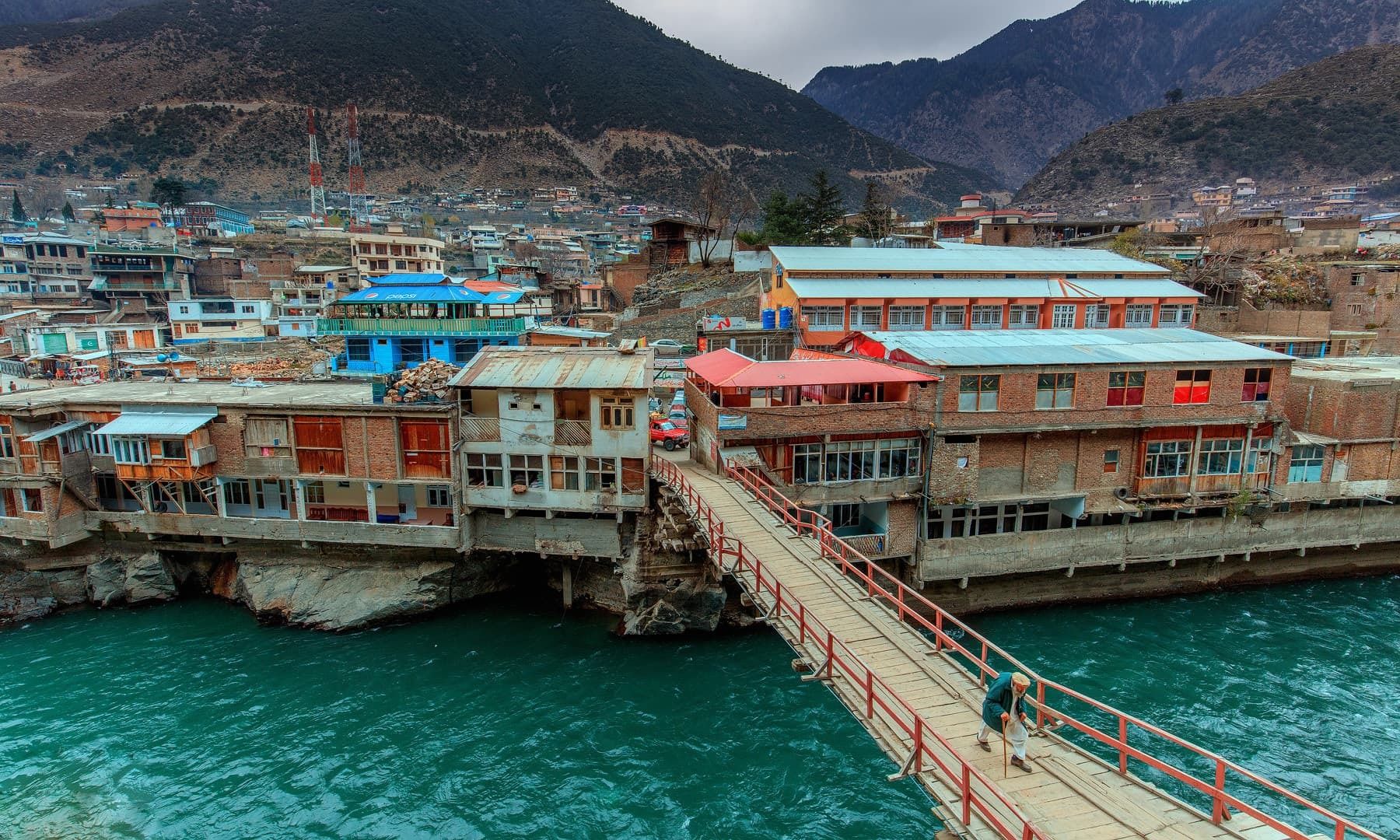
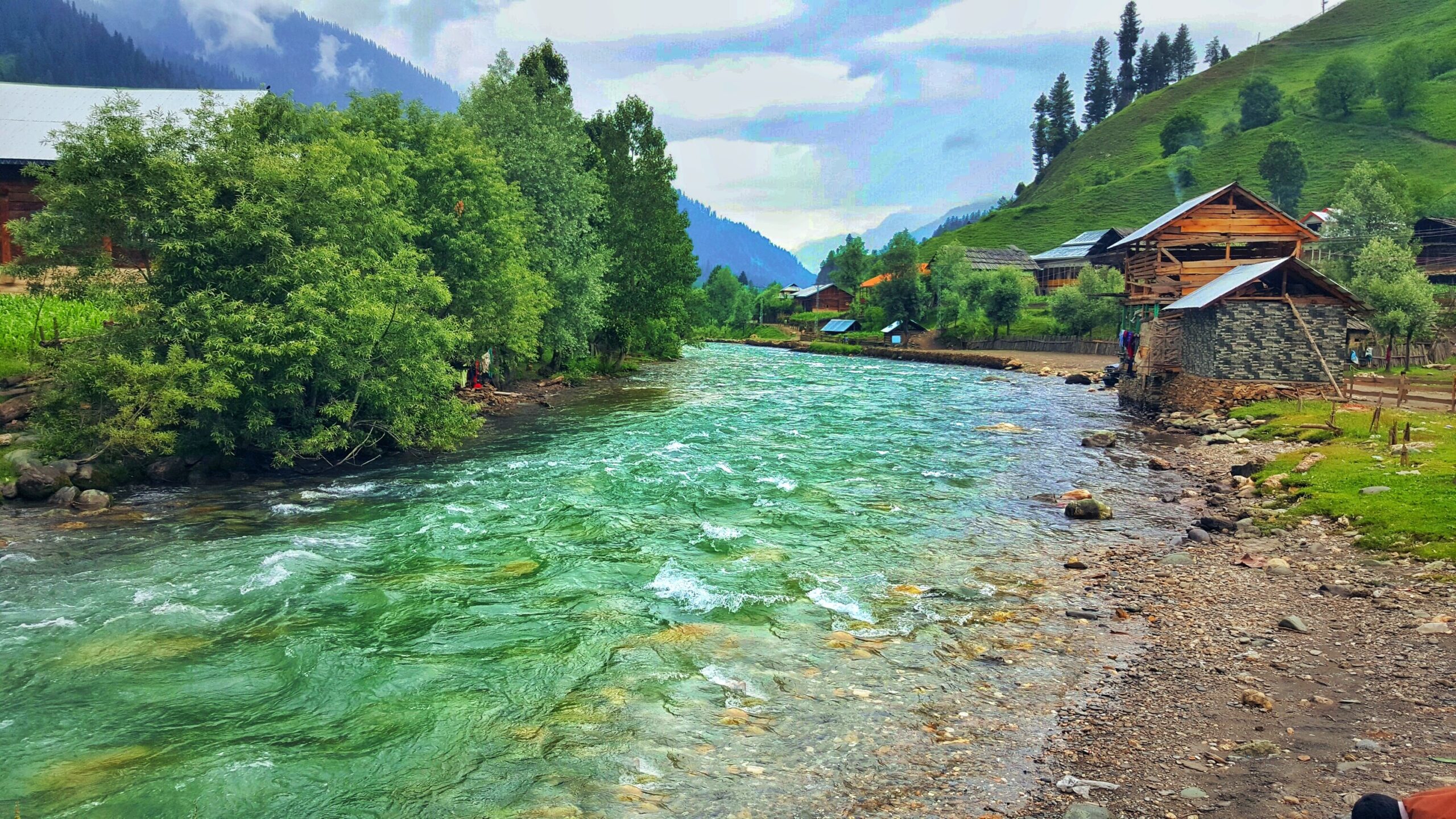
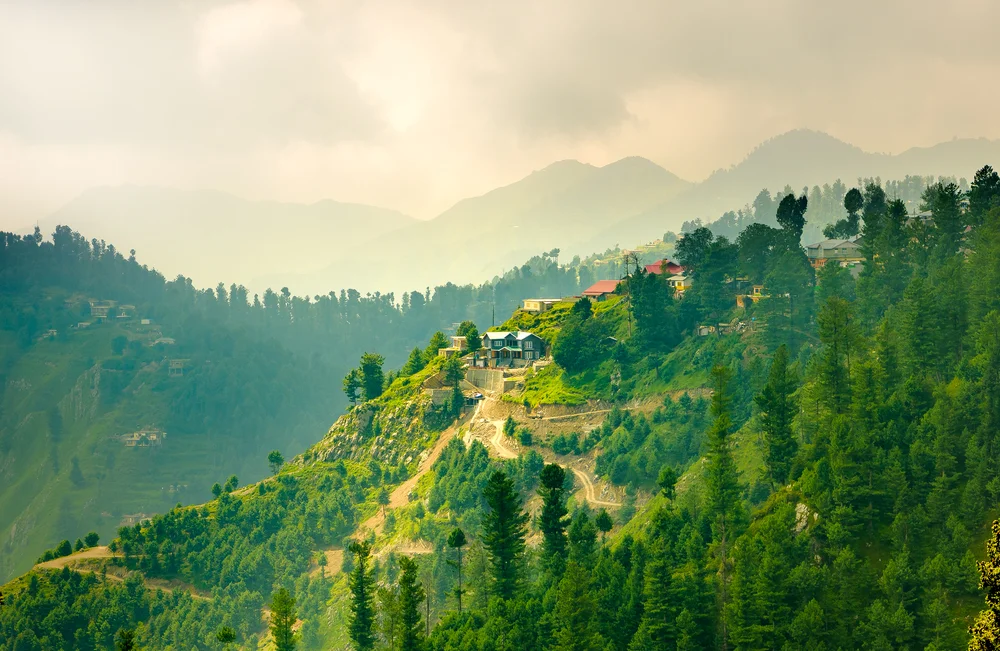
Swat Valley, often called the “Switzerland of Pakistan,” is a breathtaking paradise nestled in the mountains of Khyber Pakhtunkhwa. With its snow-capped peaks, lush green meadows, flowing rivers, and crystal-clear lakes, Swat offers natural beauty that rivals any in the world. The valley is rich in culture, history, and hospitality, making it a perfect escape for nature lovers and adventurers
Makran Coast
it reminds them of California
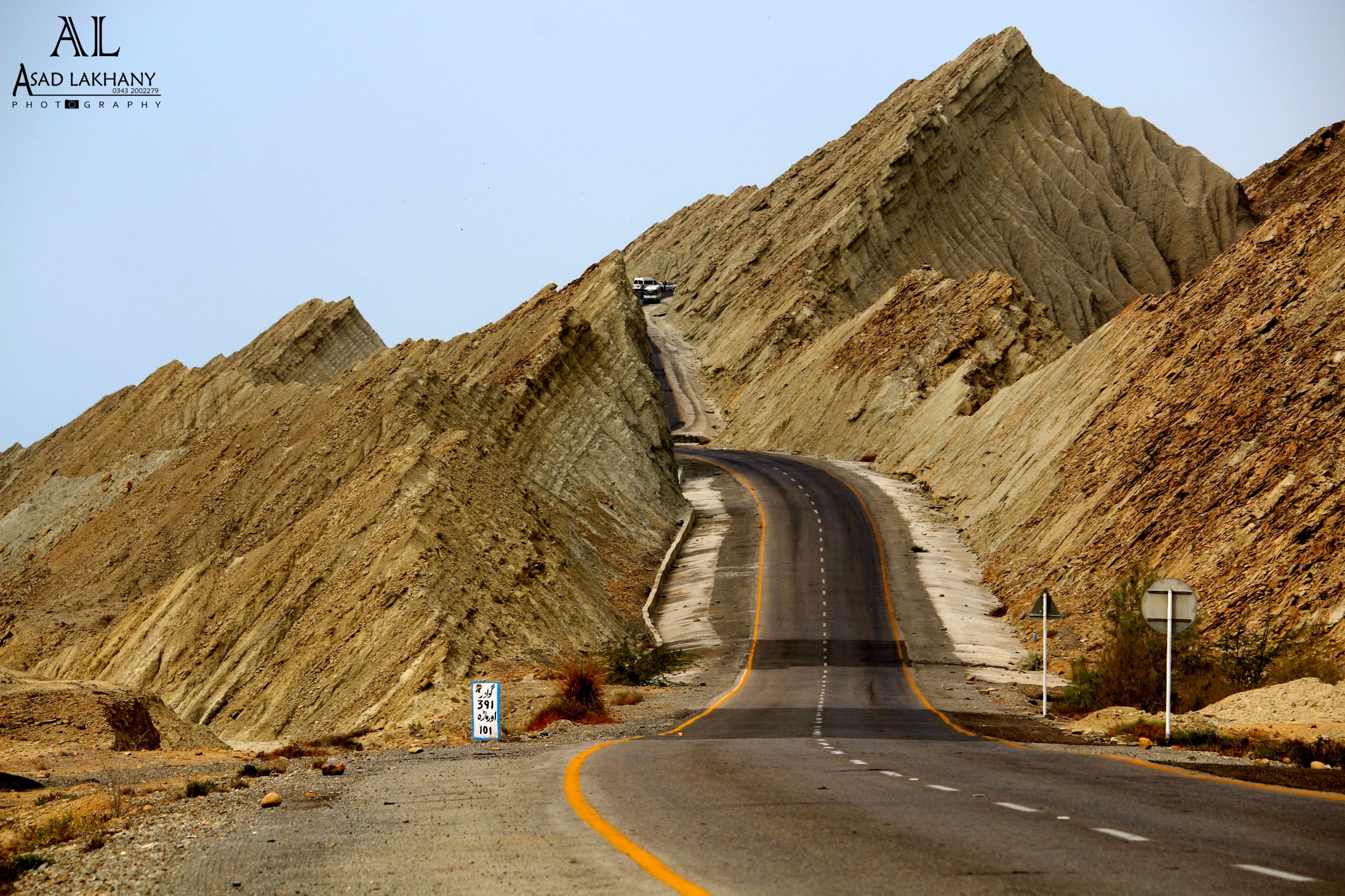
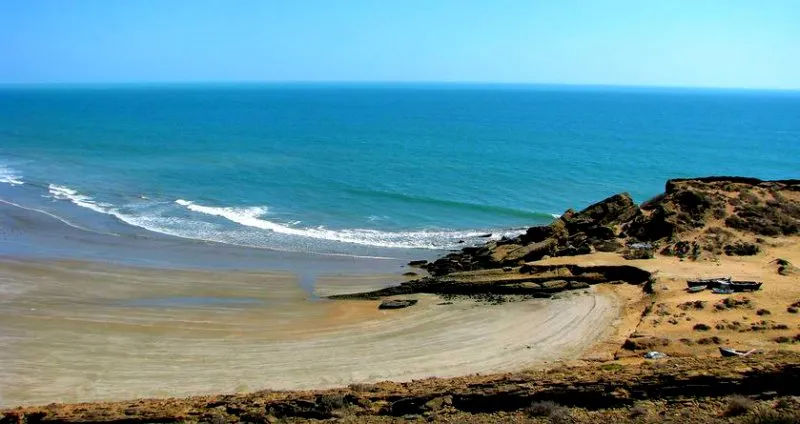
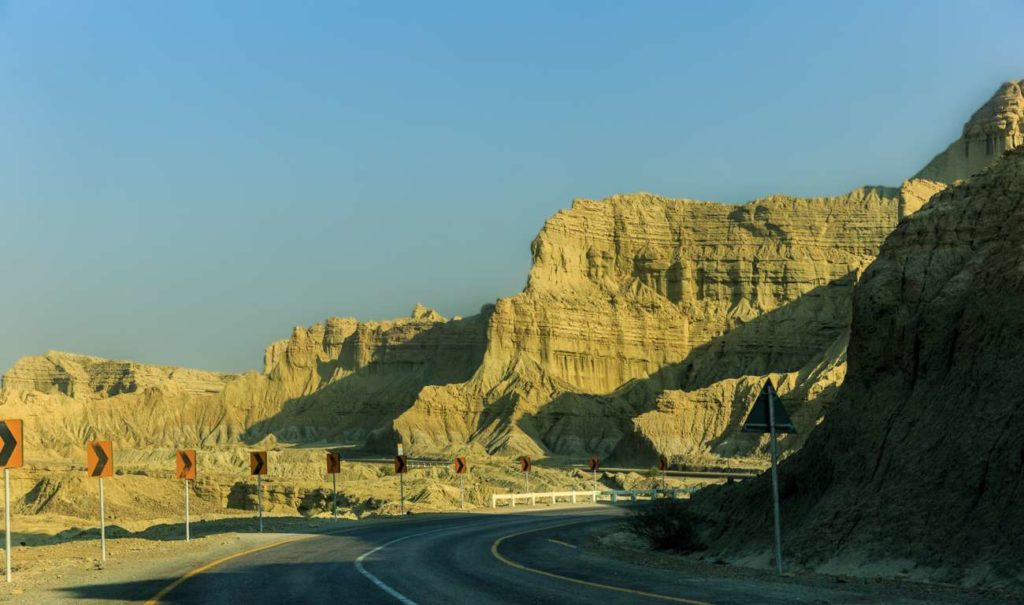
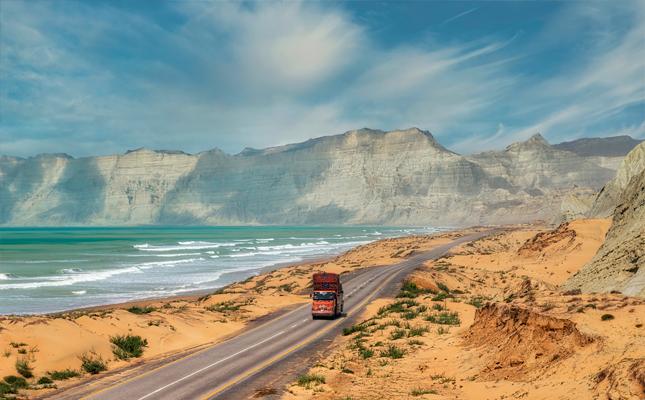
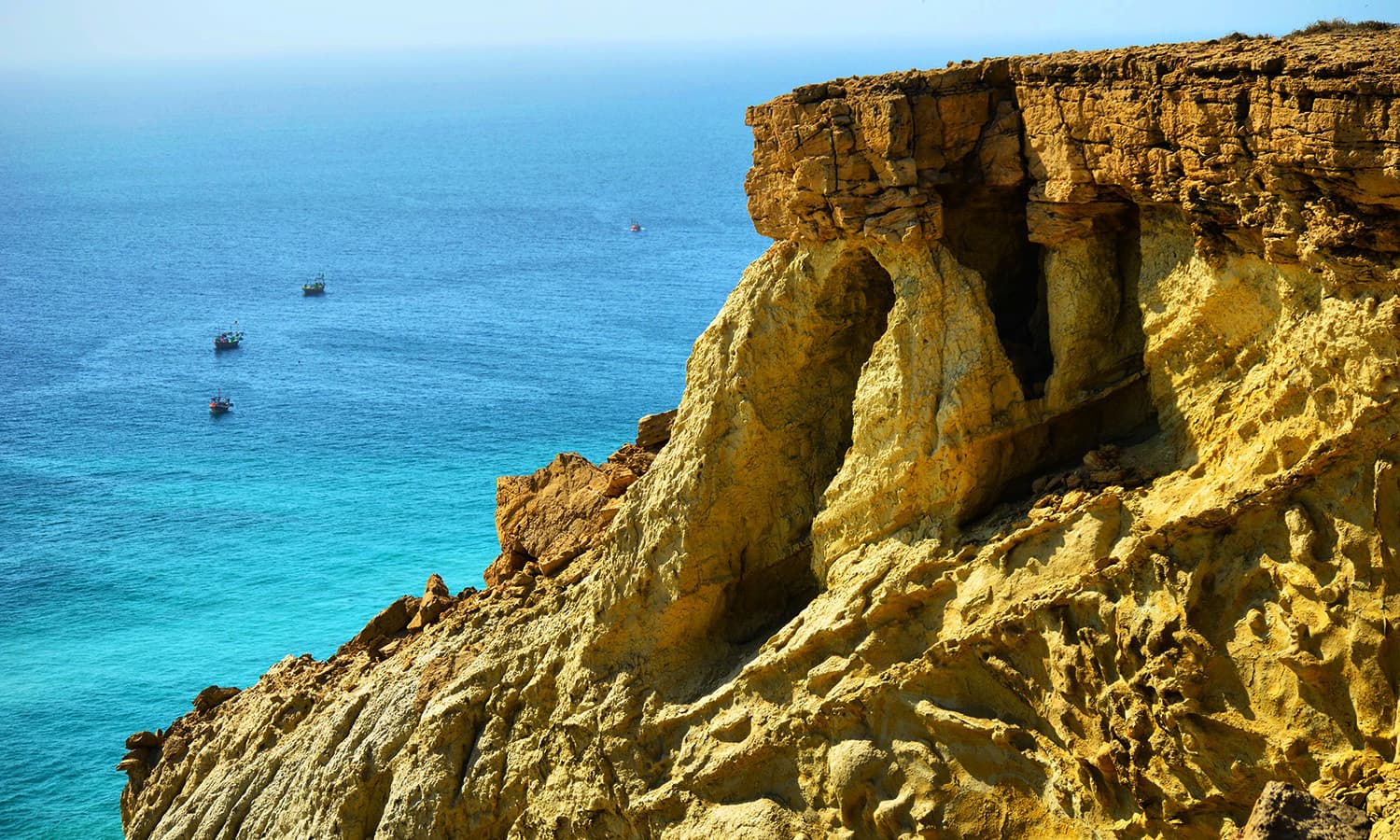
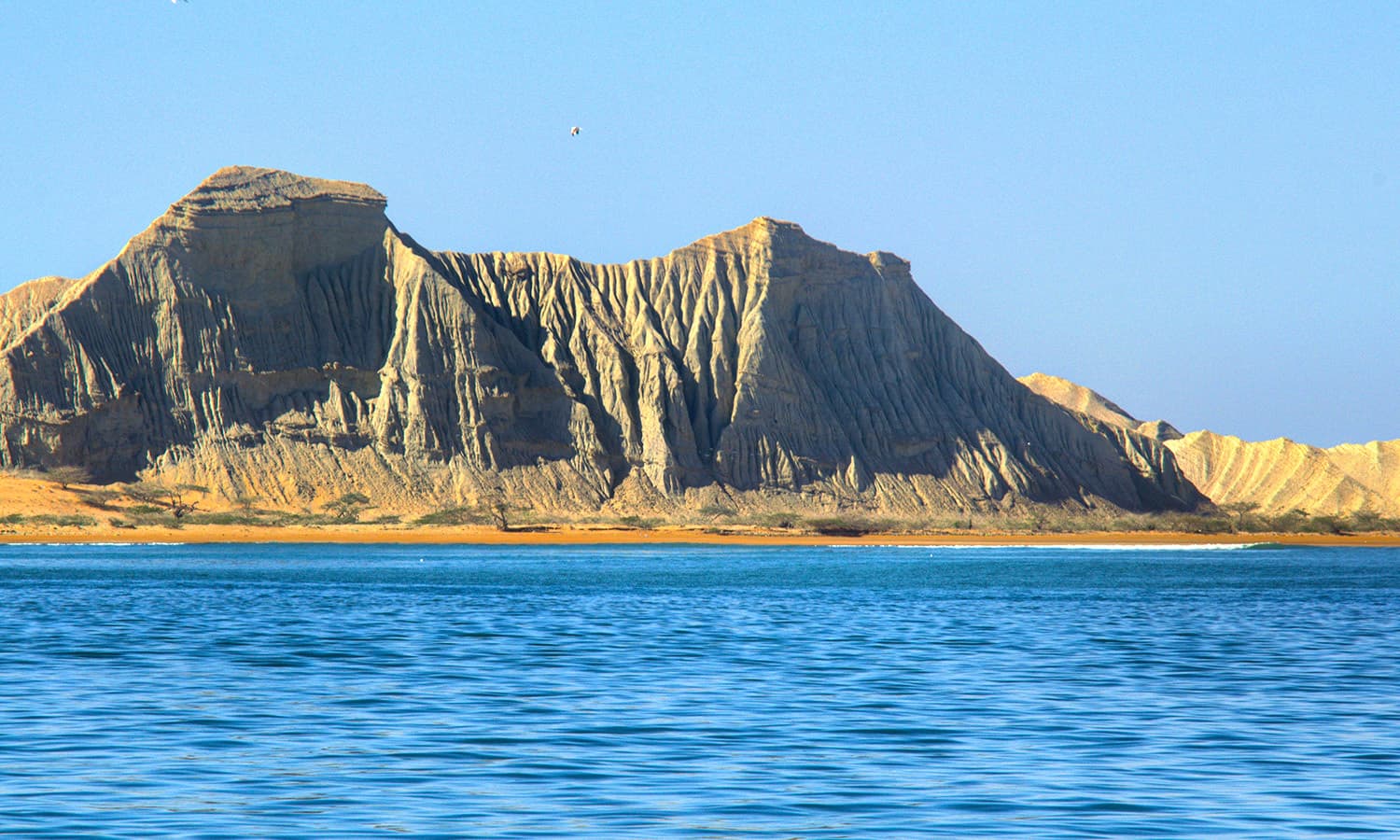
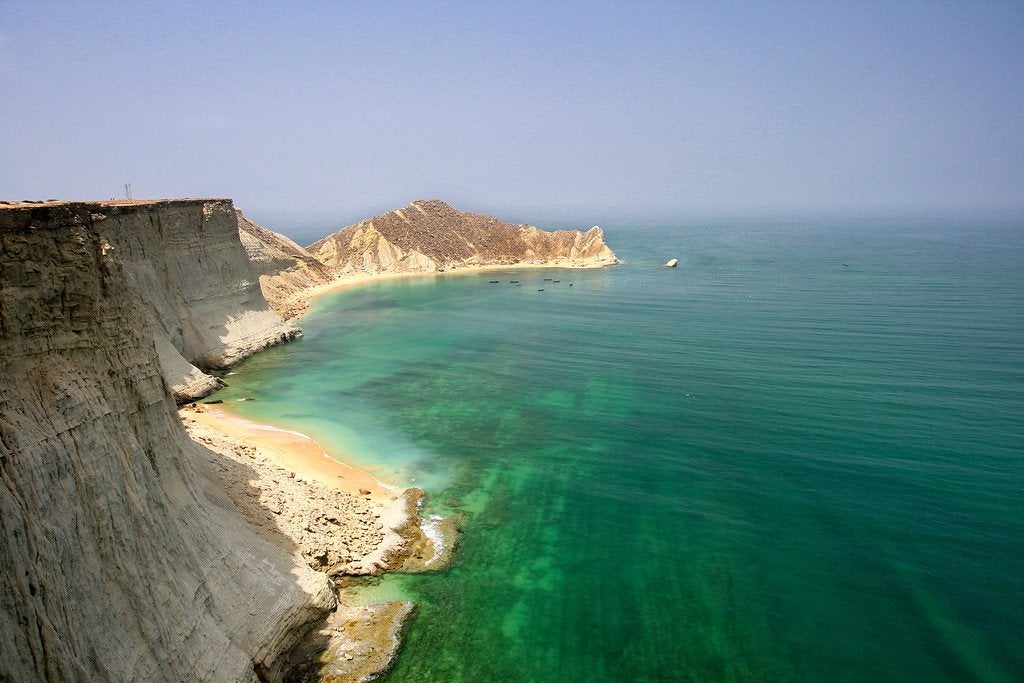
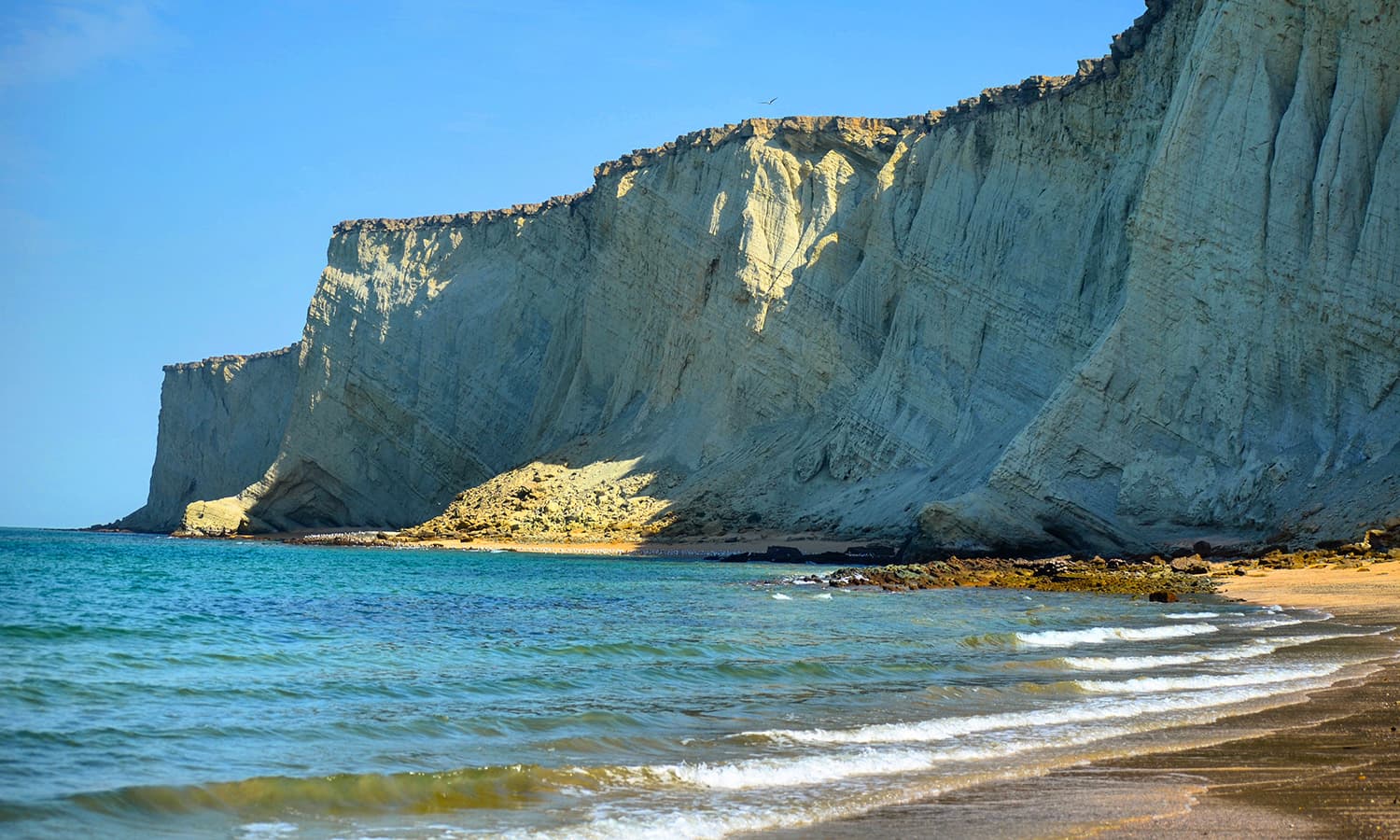
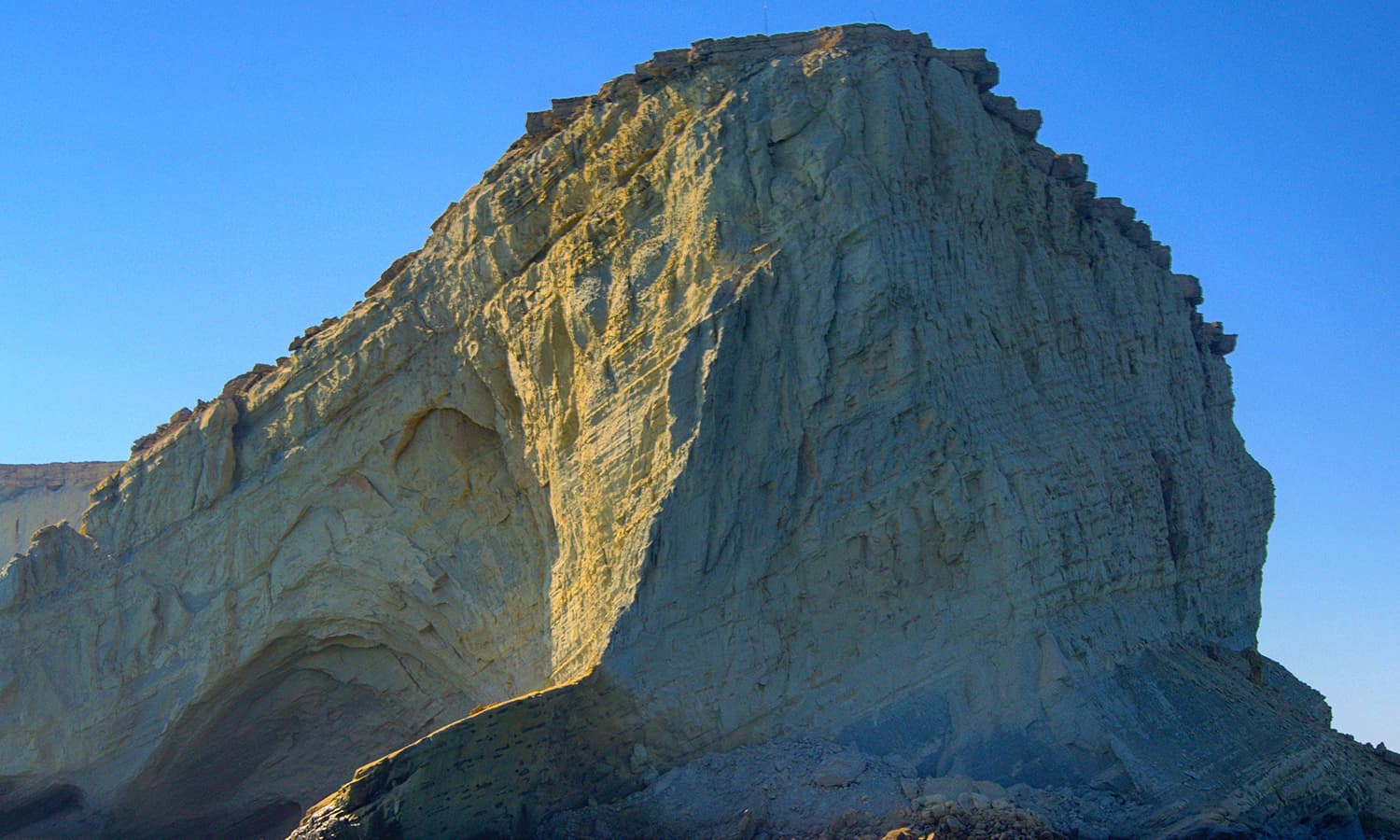
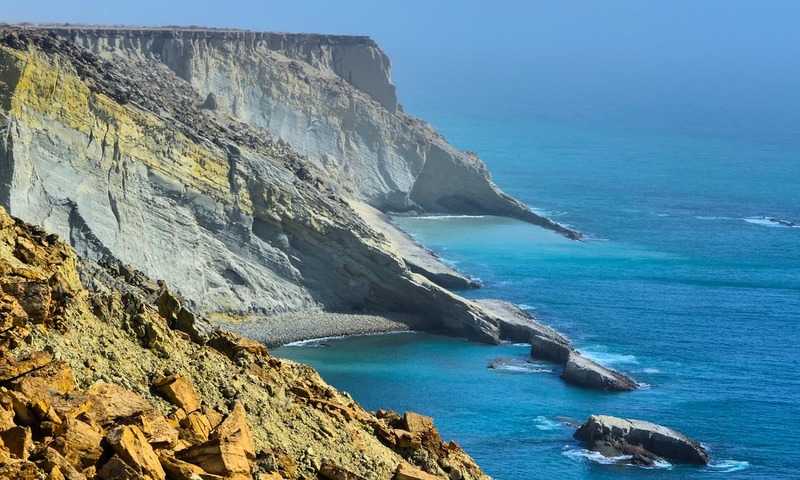
The Makran Coast, stretching along the Balochistan province, is often compared to the coastal beauty of California. With its golden beaches, rocky cliffs, and the serene blue waters of the Arabian Sea, it offers a stunning and untouched natural landscape. The coast is home to unique geological formations like the Princess of Hope and Hingol National Park, blending adventure with tranquility
Hunza
It reminds them of Japan
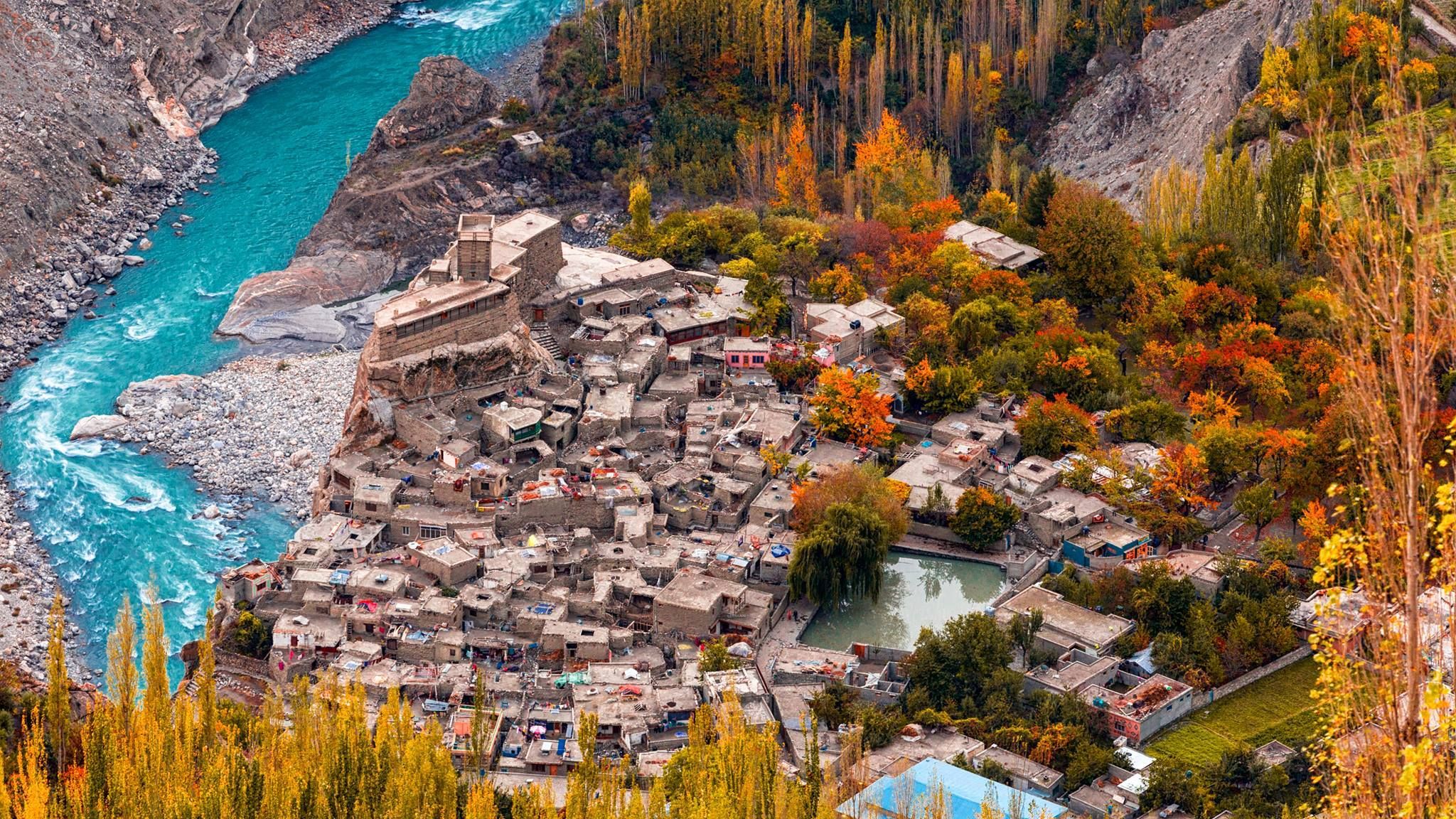
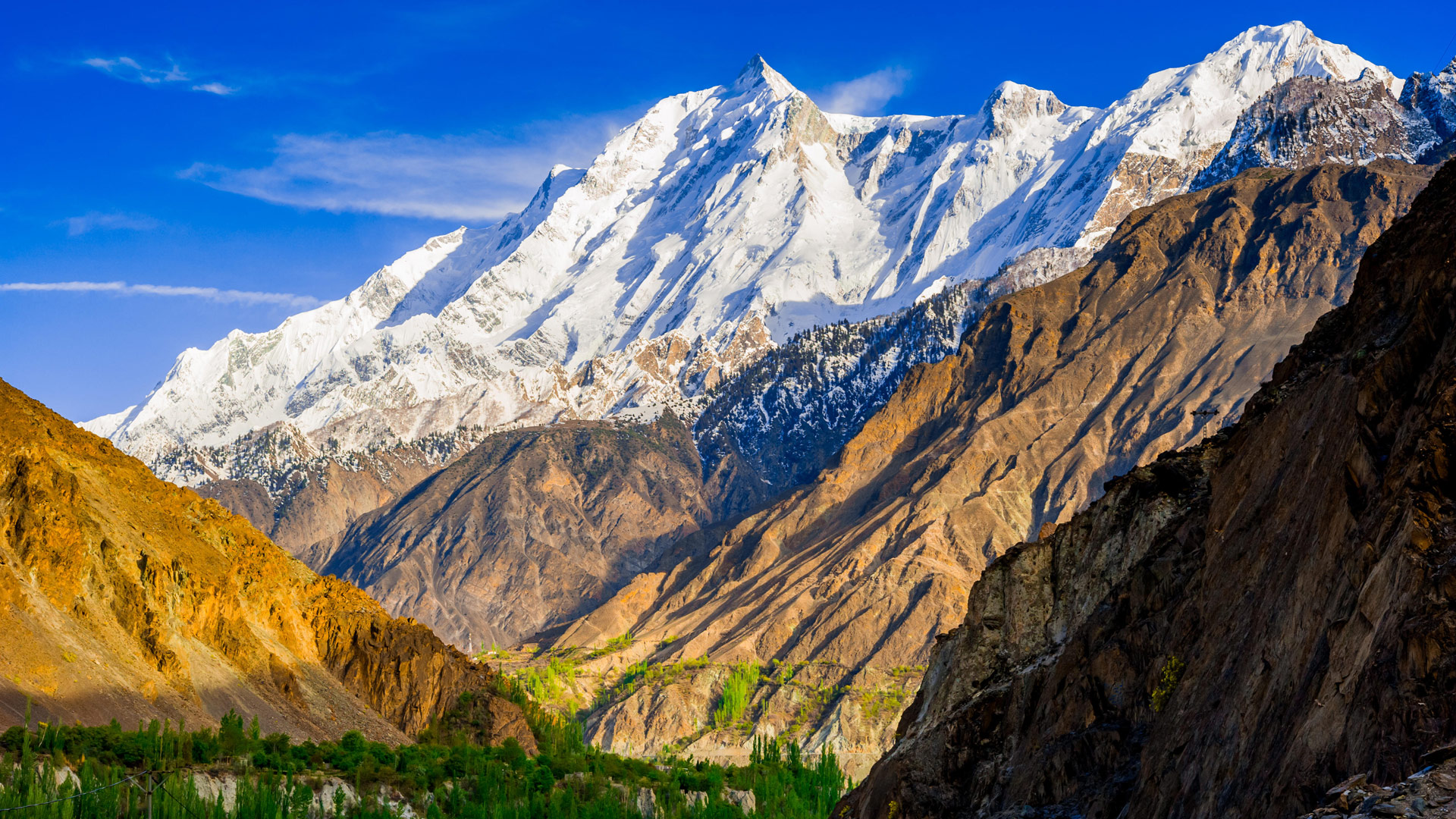
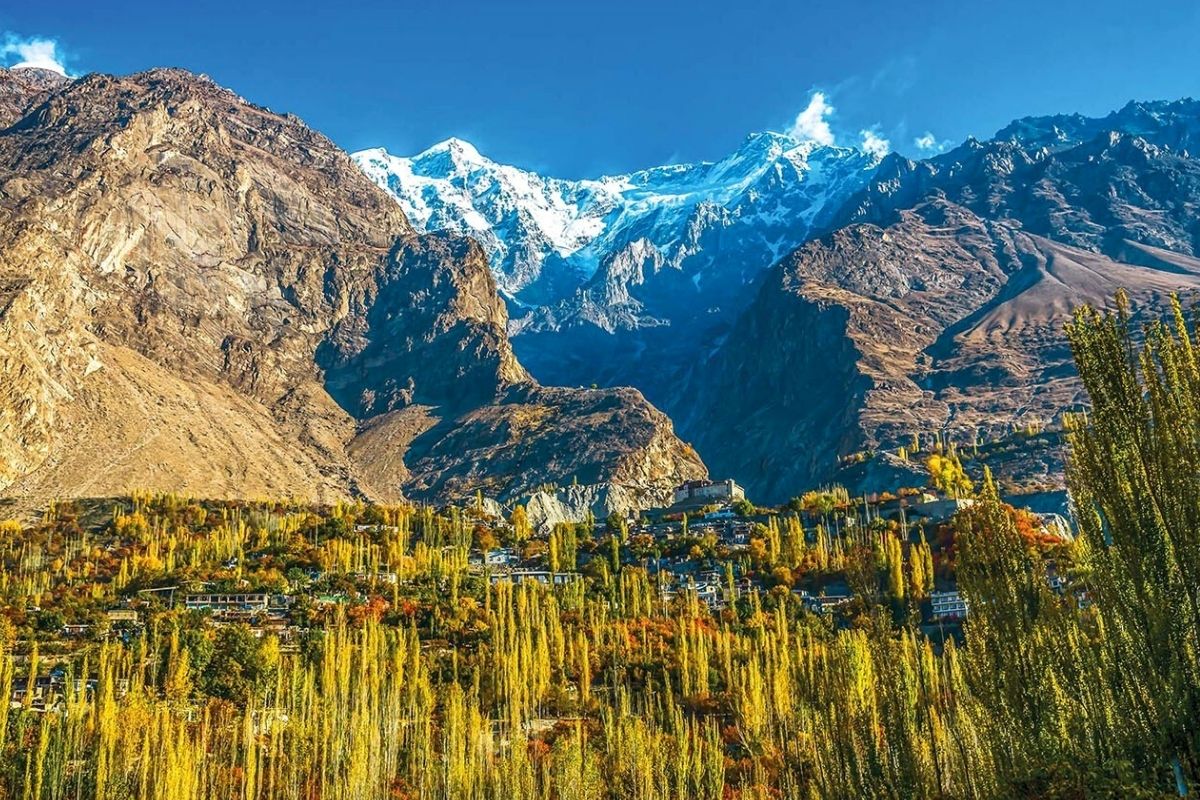
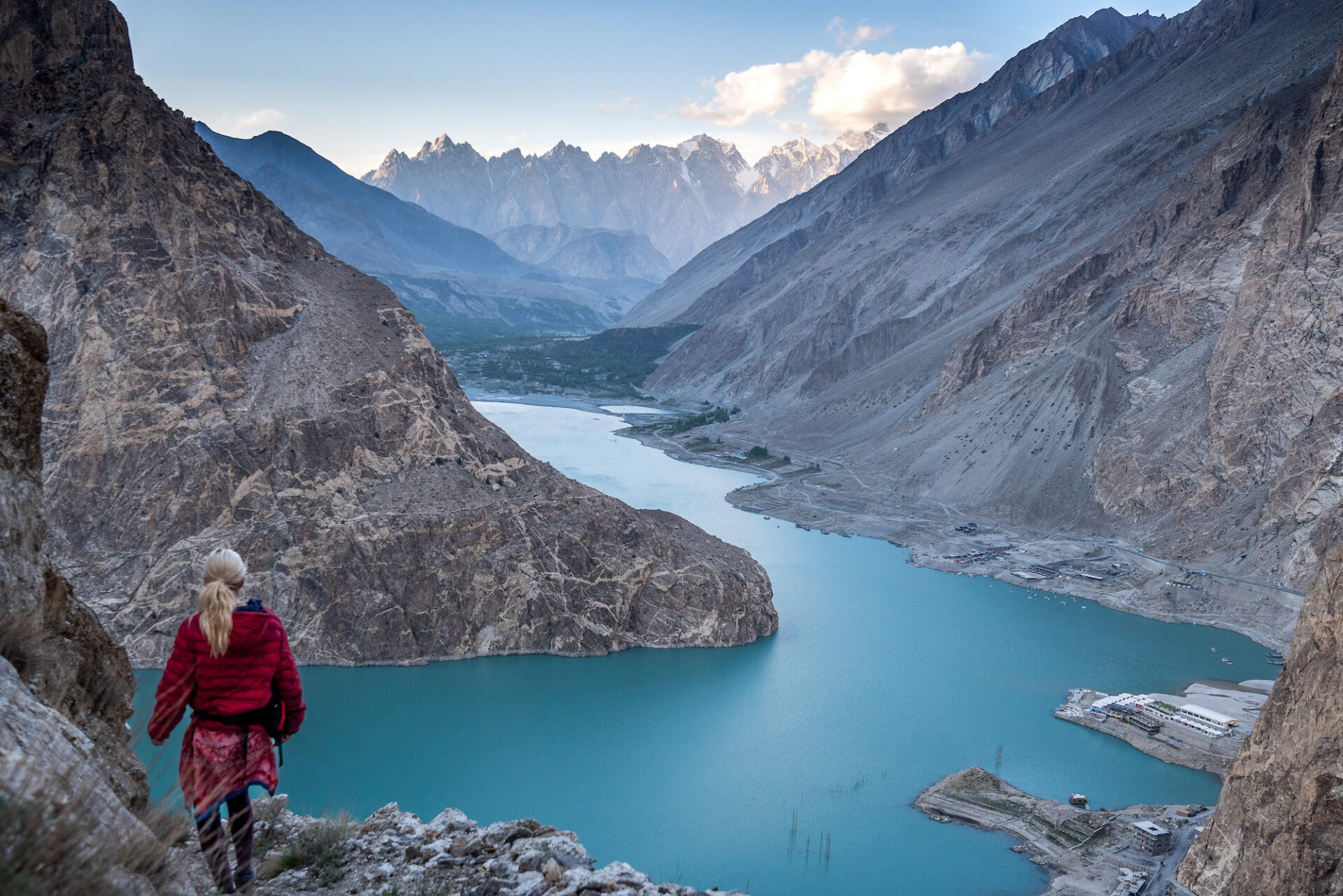
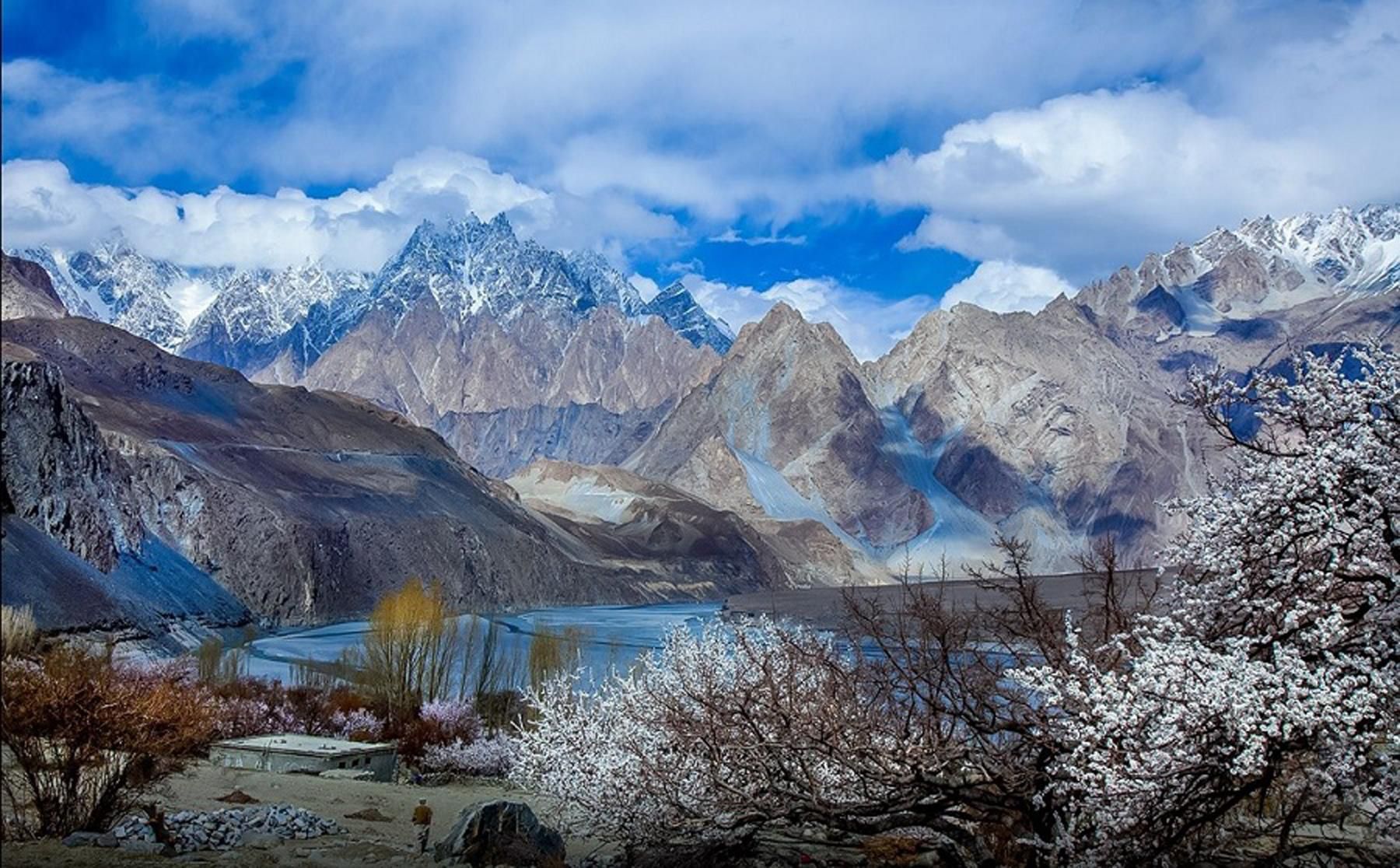
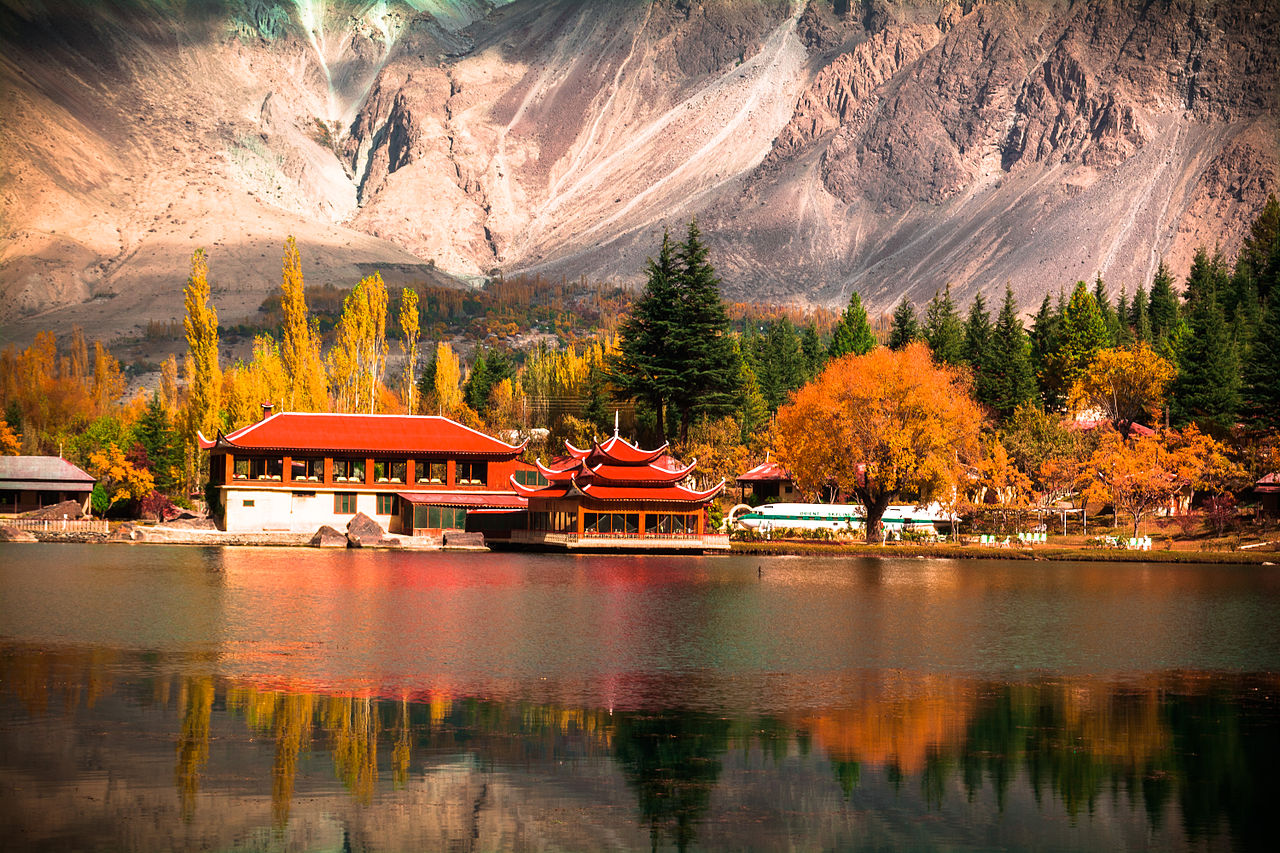
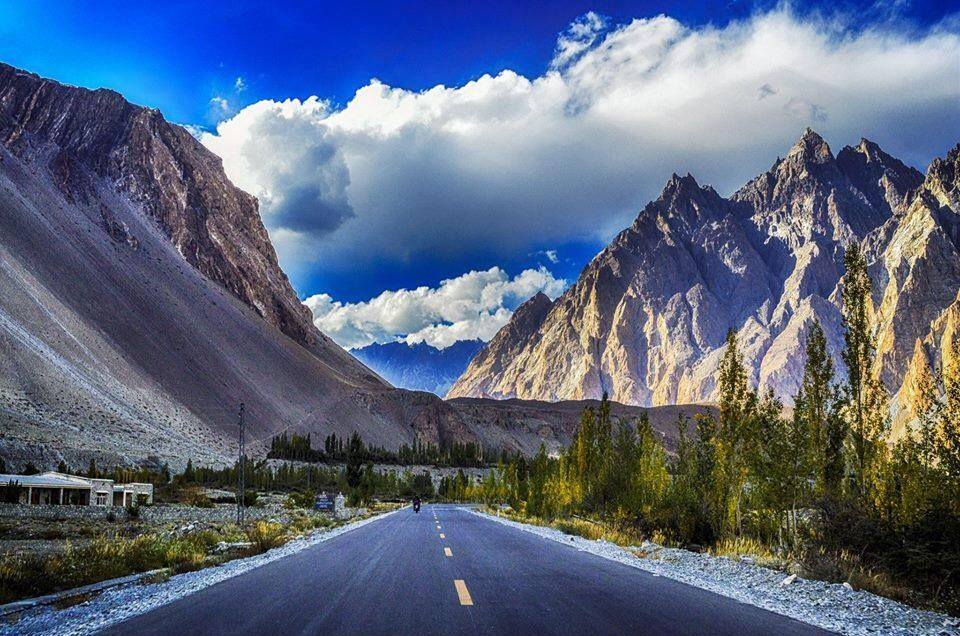
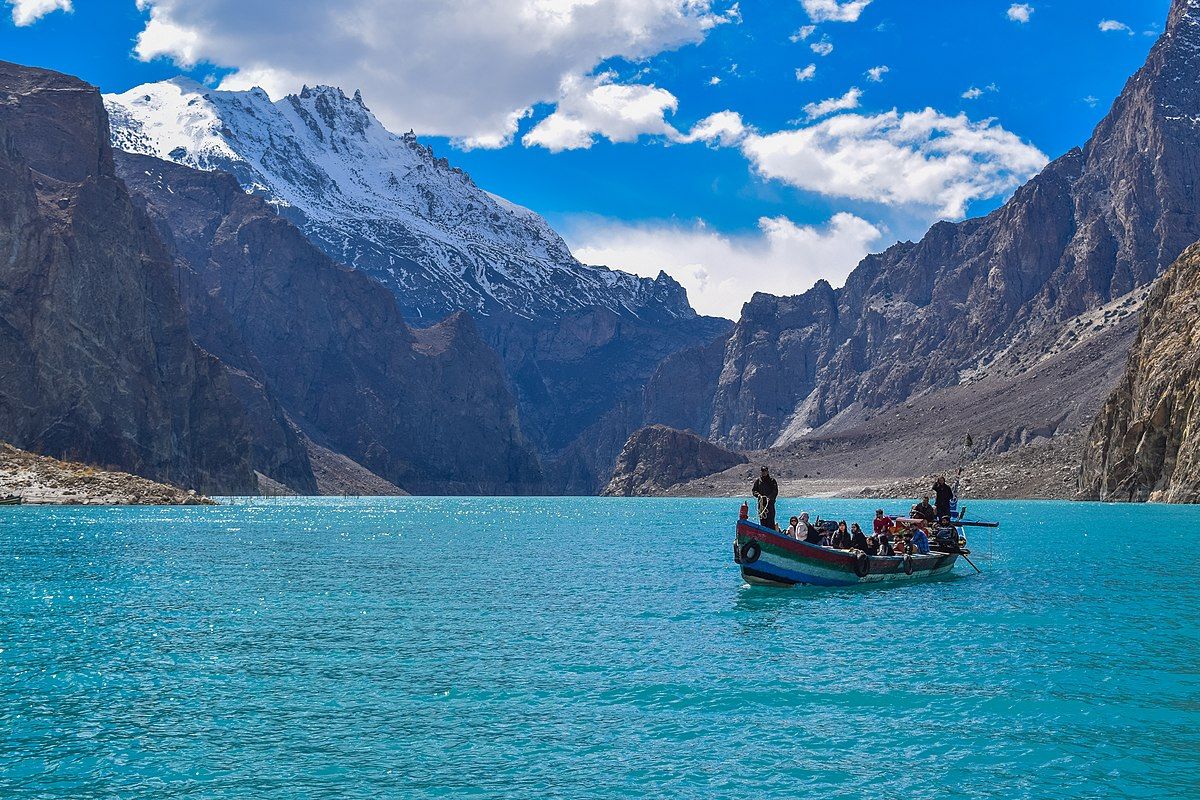
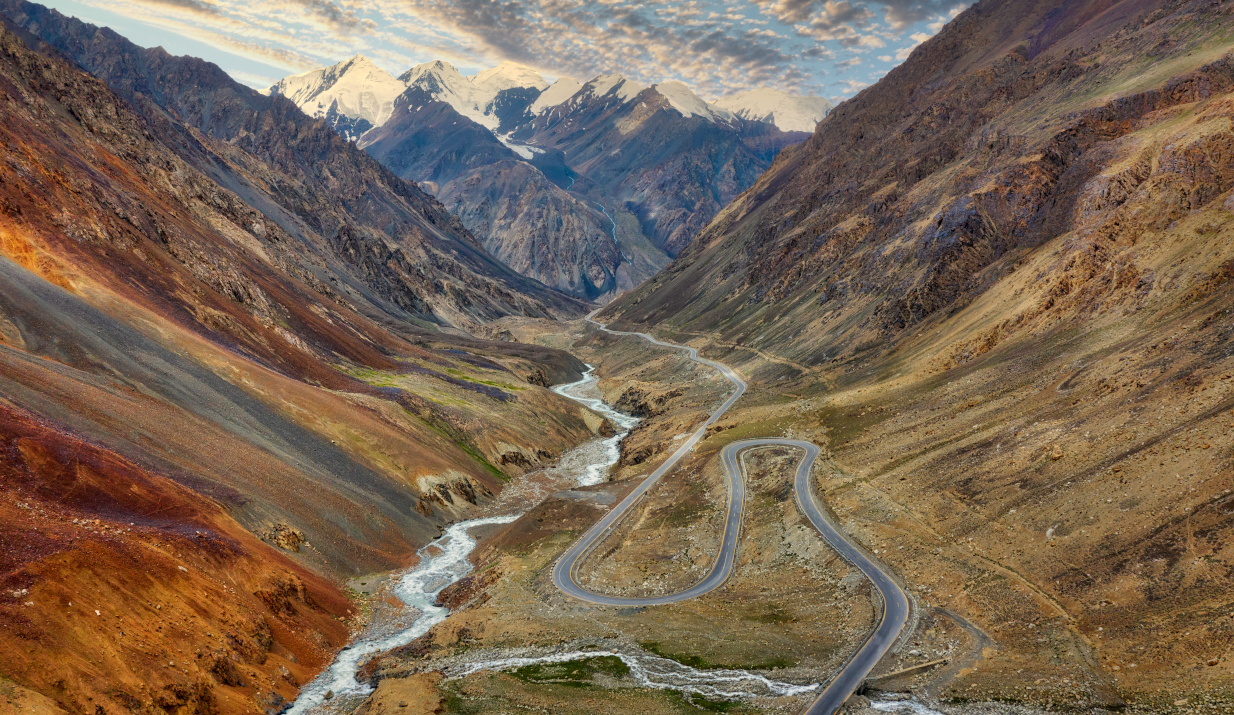
Hunza Valley, nestled in the Gilgit-Baltistan region, is often called the “Japan of Pakistan” for its breathtaking cherry blossoms, clean environment, and peaceful lifestyle. Surrounded by majestic peaks like Rakaposhi and Ultar Sar, Hunza captivates visitors with its natural beauty, vibrant culture, and friendly people. In spring, the valley turns into a canvas of pink and white blossoms, much like Japan’s famous sakura season
Cholistan
It reminds of Saudi Arabia
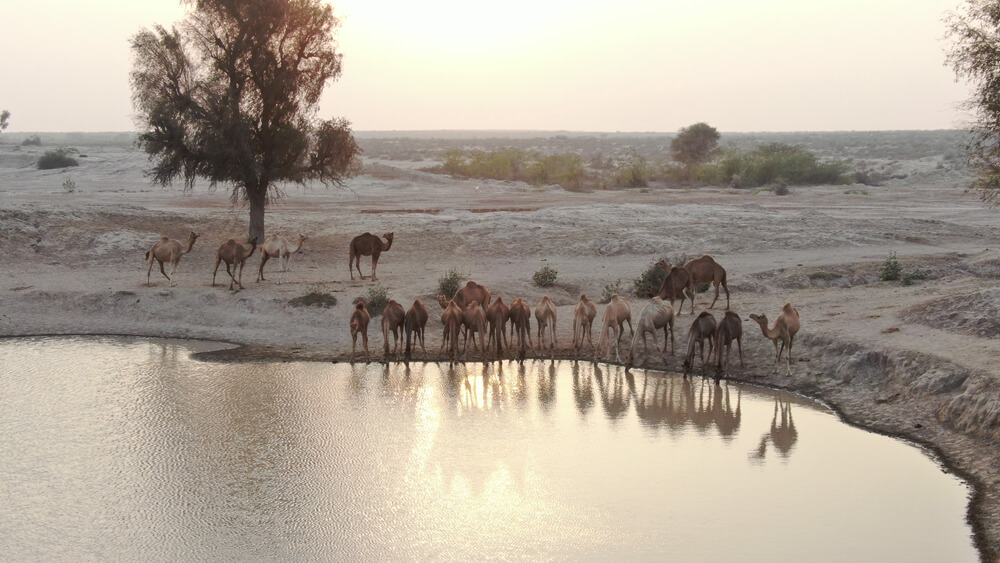
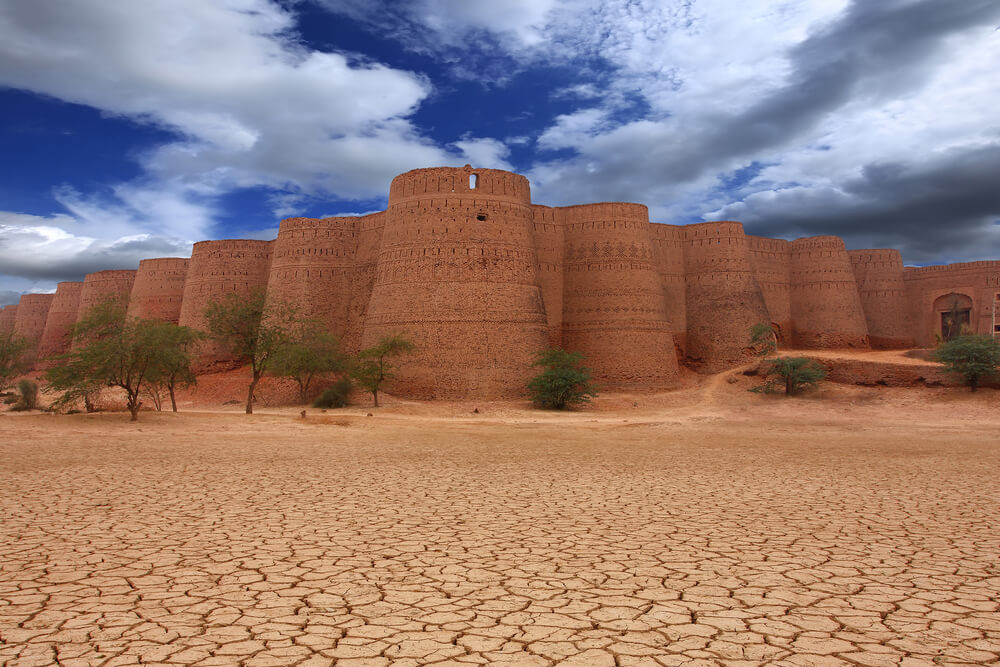
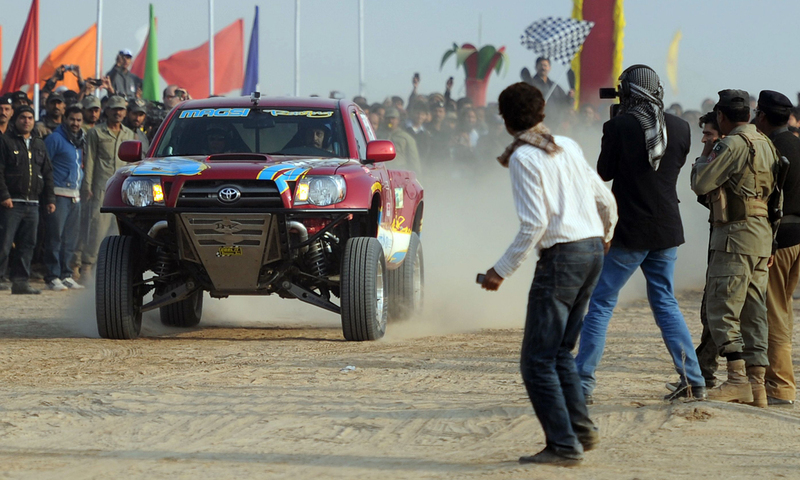
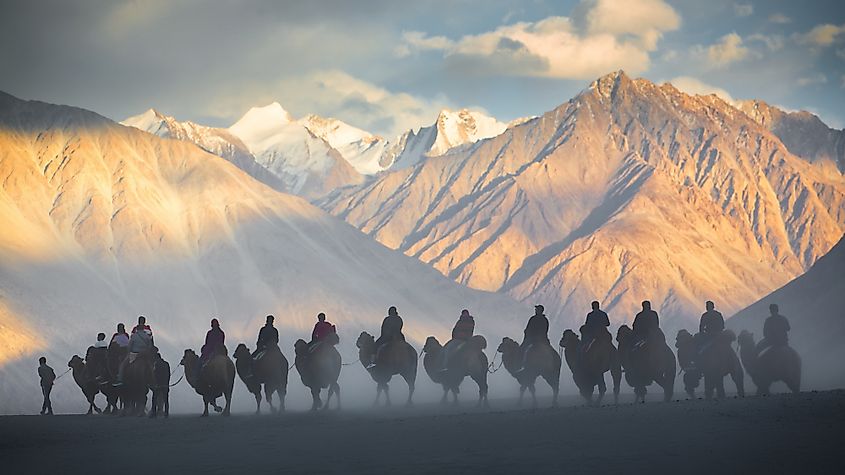
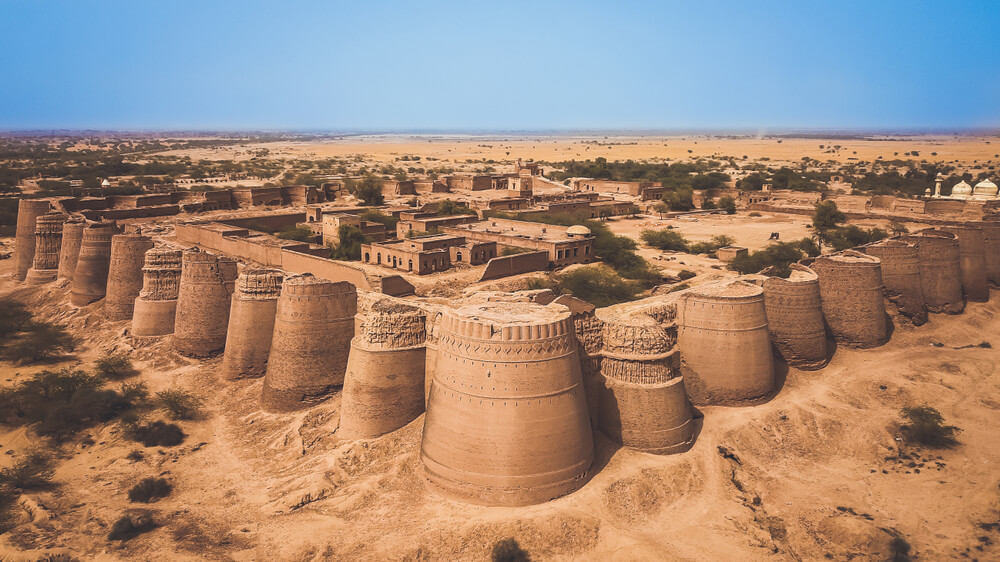
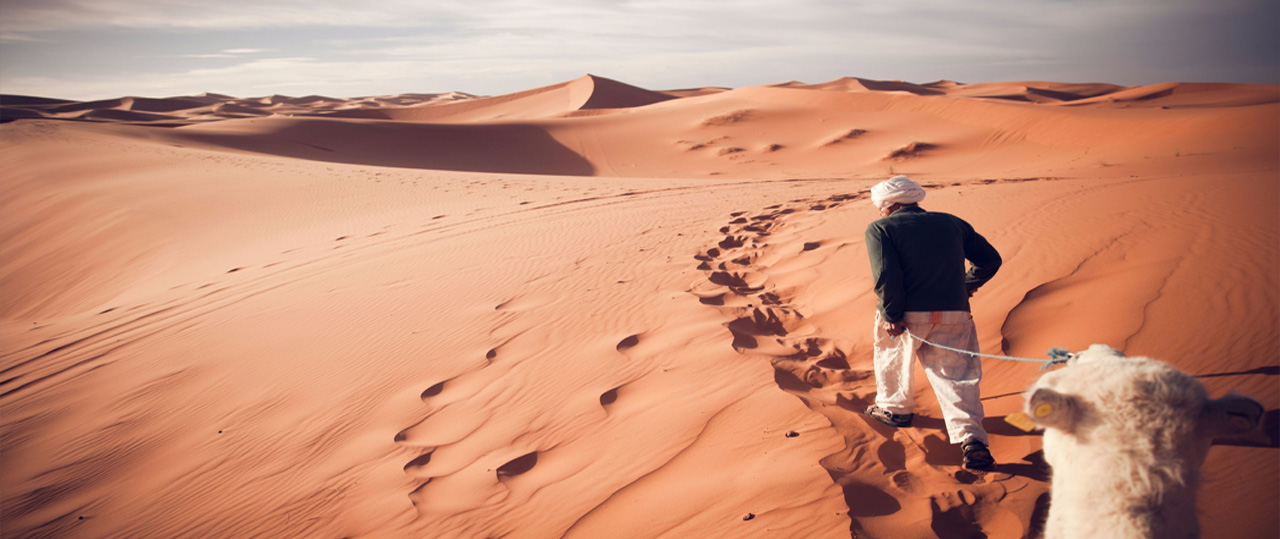
The Cholistan Desert, located in southern Punjab, is often compared to Saudi Arabia for its vast golden sand dunes, scorching sun, and traditional desert life. It echoes the spirit of ancient Arabian deserts with camel caravans, tribal culture, and majestic forts like Derawar Fort standing tall amid the sands. The annual Cholistan Jeep Rally adds excitement to this rugged landscape. With its timeless beauty and deep cultural roots, Cholistan offers a glimpse of the desert majesty found in the heart of Arabia.
Astolla
It iseland reminds of Maldives
Astola Island, also known as Haft Talar, is Pakistan’s largest offshore island, located in the Arabian Sea near Pasni, Balochistan. Often called the “Maldives of Pakistan,” it boasts turquoise waters, coral reefs, and stunning marine life, making it a paradise for nature lovers and divers. The island’s untouched beauty, crystal-clear sea, and peaceful environment offer a magical escape, much like the serene islands of the Maldives. Astola is a hidden gem that showcases the tropical charm and natural splendor of Pakistan’s coastal treasures.
National animal
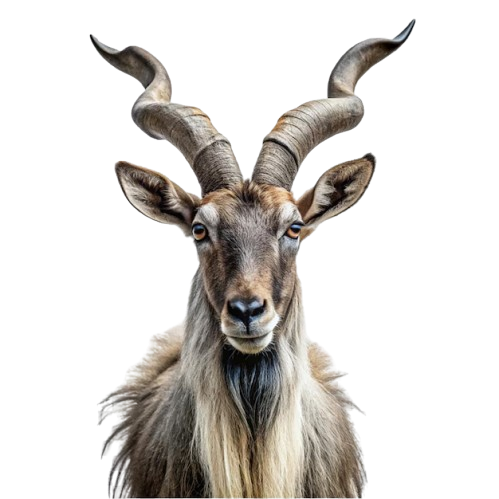
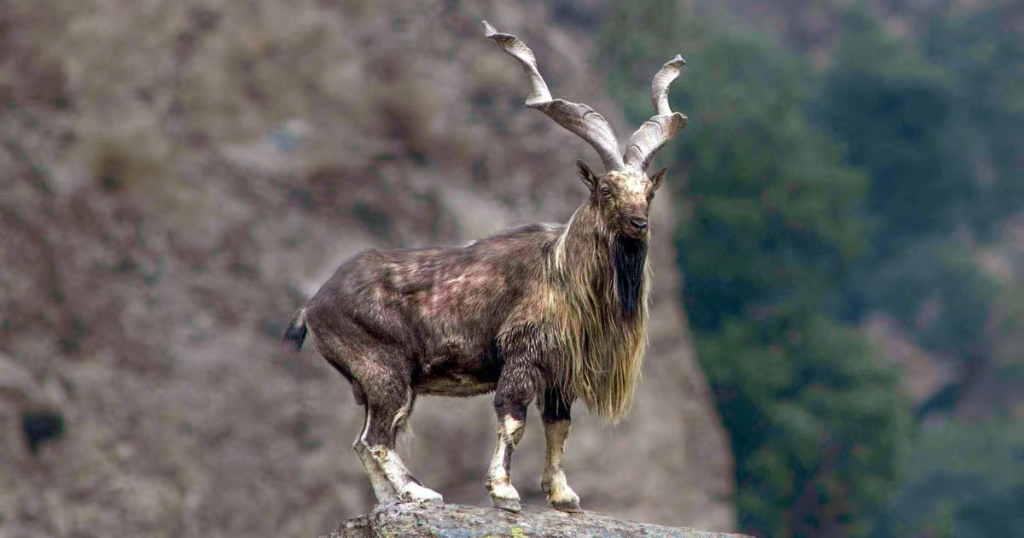
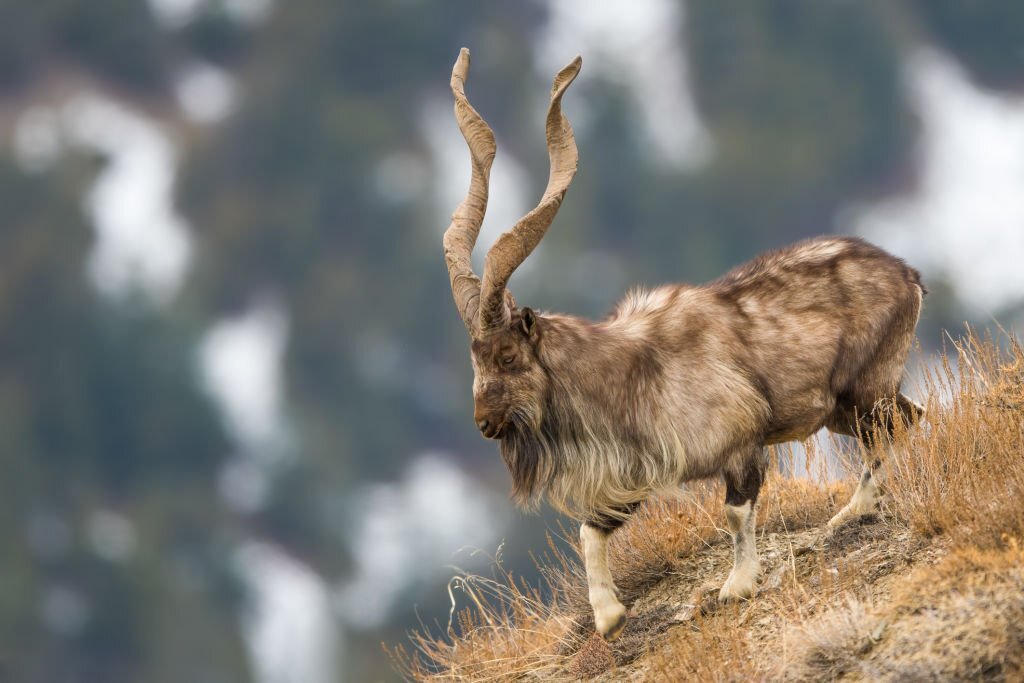
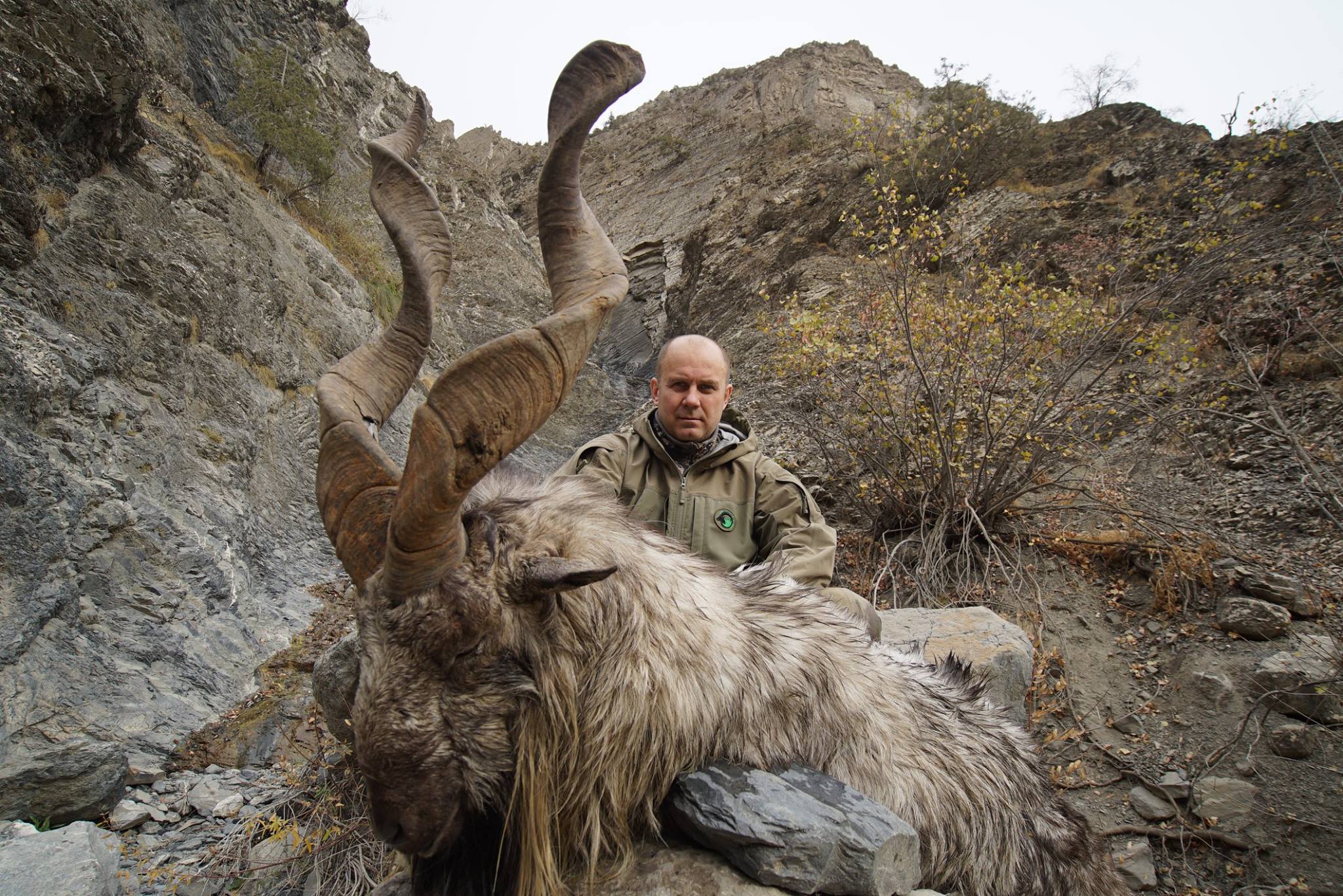
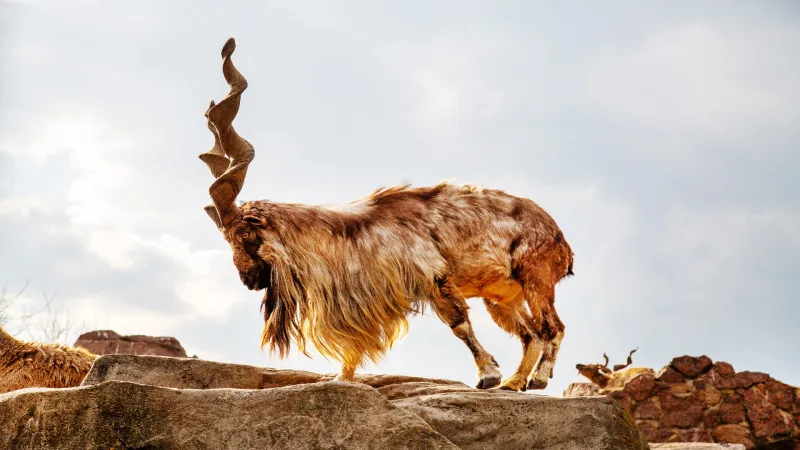
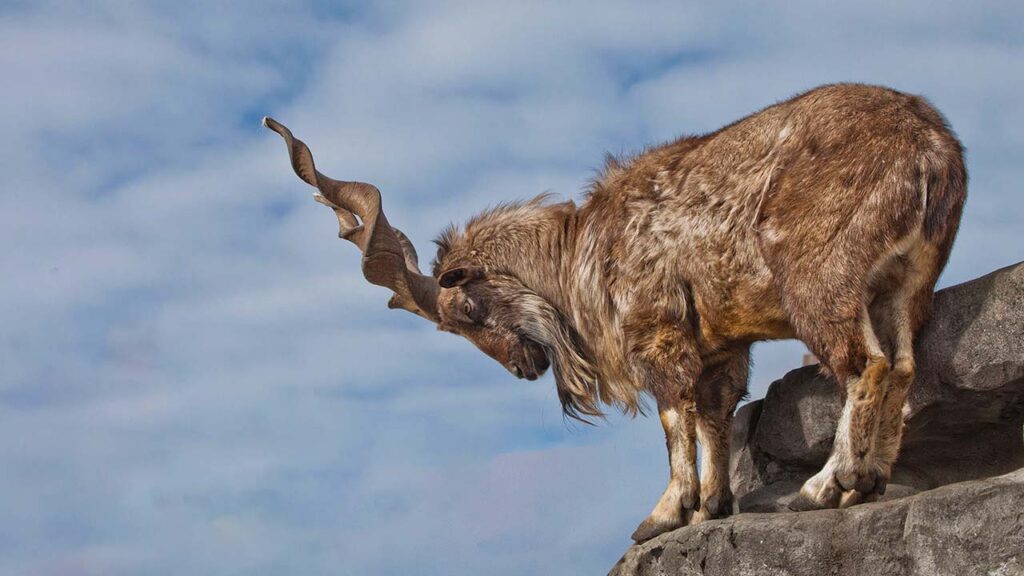
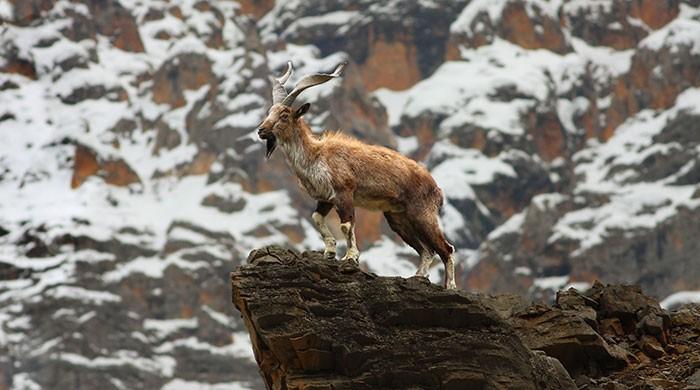
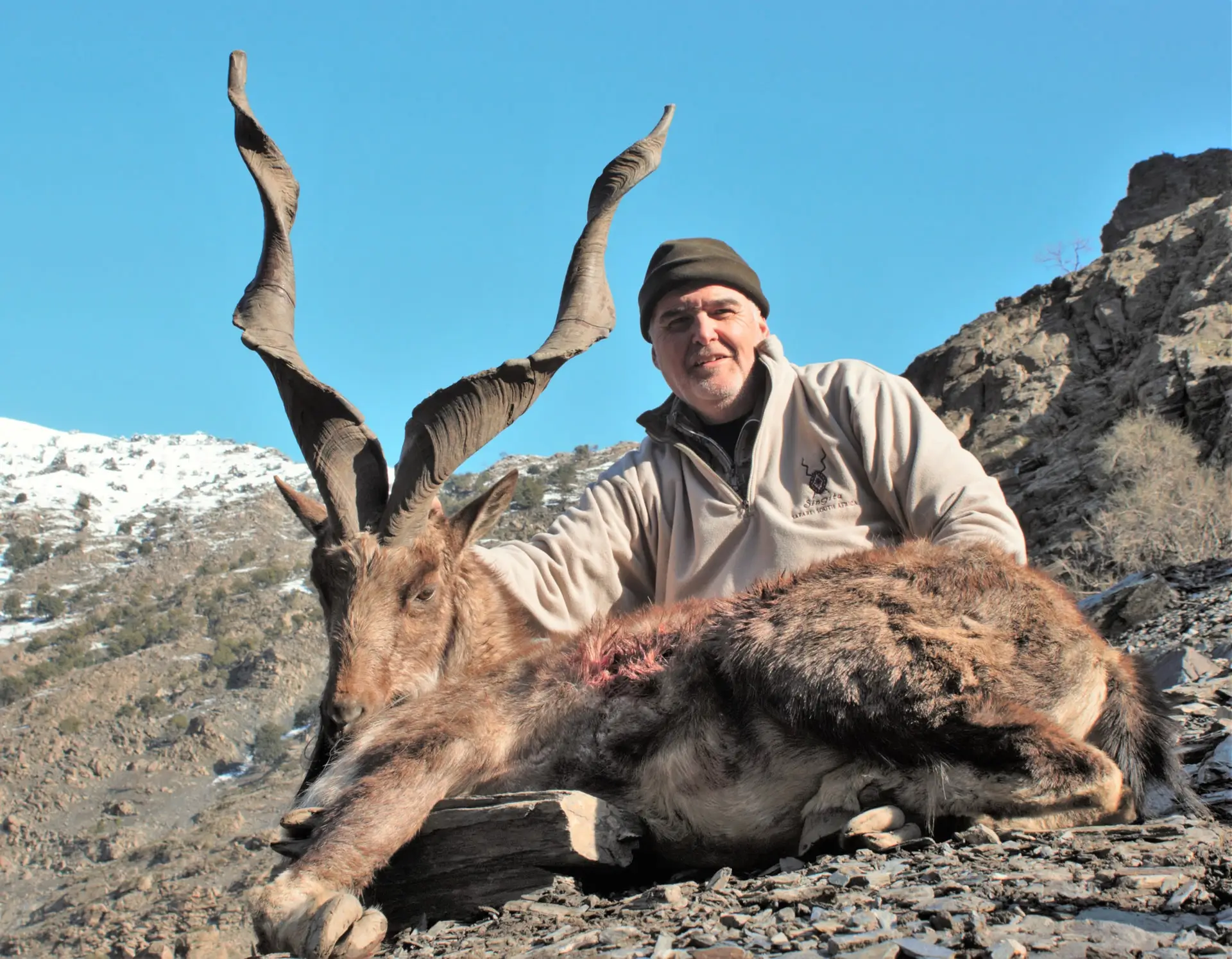
The Markhor, Pakistan’s national animal, is a majestic wild goat known for its impressive spiral horns and is native to the mountainous regions of northern Pakistan, including Gilgit-Baltistan and Chitral. Once critically endangered due to illegal hunting and habitat loss, the Markhor’s population has slowly recovered thanks to community-based conservation efforts. Surprisingly, trophy hunting programs have played a key role in this recovery. Each year, the government issues a limited number of hunting permits—usually 4 per year—under strict regulations. The permits are auctioned and can fetch up to $100,000 USD or more, depending on the size and rarity of the animal. However, 80% of this fee goes directly to the local communities, encouraging them to protect the species rather than poach it. This model has helped increase the Markhor population, moving it from critically endangered to near threatened, according to the IUCN Red List.